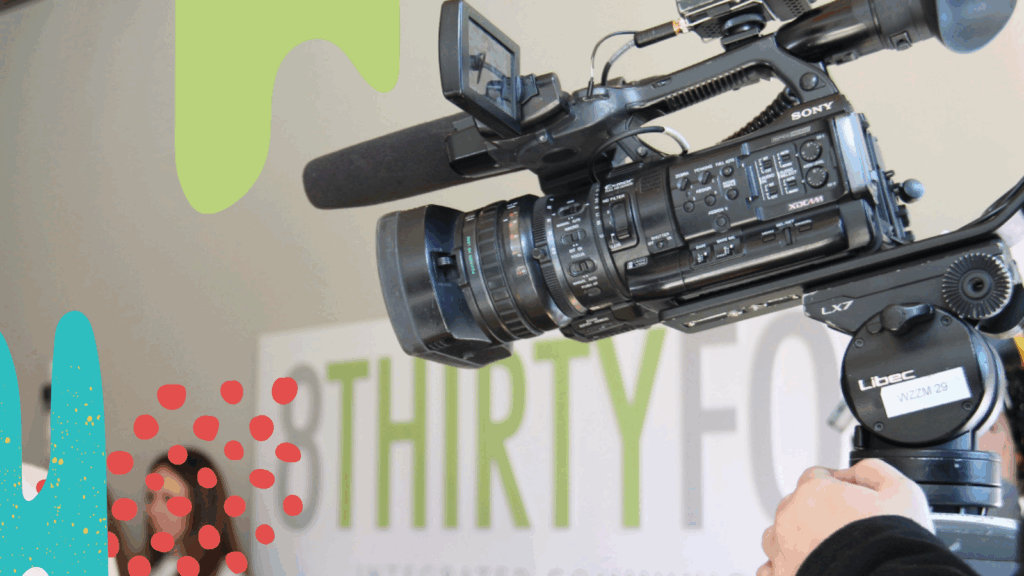
There’s a version of media relations that lives in the past. A world where you pitch a reporter, they file a story, and it runs in the paper or airs on the evening news. That world still exists, but it’s now just one small corner of a much larger, much more demanding landscape.
Today’s journalists are also content creators, managing a portfolio of platforms. A beat reporter at a mid-size outlet might be writing a story, recording a podcast episode, going live on Instagram, maintaining a Substack, and fielding questions on a Reddit AMA, sometimes all in the same week. Some are building personal brands that rival their publications in reach and credibility. Increasingly, even traditional print and broadcast journalists are expected to produce short-form video for TikTok or YouTube Shorts.
If your PR strategy hasn’t caught up with that reality, you may be actively making their jobs harder.
What’s Actually Changed
The main thing isn’t just that there are so many platforms, but that each one has its own totally different rules for what content works.
A TV hit needs a punchy soundbite, strong eye contact, and a clean background. A newsletter piece needs depth, context, and a strong point of view that rewards the reader for subscribing. A Reddit thread needs humility and a willingness to take follow-up questions from strangers who have absolutely done their homework and will call out a non-answer immediately. A podcast appearance needs a guest who can hold a conversation, not just recite talking points.
These media types require different preparation, sources, and types of supporting material. A journalist who is managing four or five of these channels at once is essentially running four or five different editorial operations simultaneously. The sources and PR contacts who understand that distinction and can help them serve multiple formats from a single conversation are the ones who get called back.
Evolving Your Pitching
A well-crafted pitch is still a great place to start. But the traditional pitch, the one that leads with a story angle and ends with an offer to schedule a call, often undersells what you can actually bring to the table.
Think about what a journalist is juggling when your email lands in their inbox. They’re not just asking whether this story idea is interesting. They’re quietly asking how much work it’s going to be, whether your client will be a flexible and prepared interview subject, and whether this single conversation can fuel more than one piece of content across more than one platform.
That last question is the one most PR professionals don’t answer, because most aren’t asking it themselves.
Before you pitch, think through what your client can actually offer across formats. Can they do a tight, quotable conversation for a written piece and then turn around and record a short video response to the same questions? Do they have data, visuals, or proprietary research that would perform well in a social post or a newsletter graphic? Are they comfortable enough on camera for a live or semi-live format? Do they have a genuine, informed perspective on what’s being discussed in relevant online communities?
If the answer to several of those questions is yes, say so. You’re not doing the journalist’s job for them. You’re reducing friction at a moment when their time is genuinely scarce.
Reddit is Not an Afterthought
Platforms like Reddit deserve more than a footnote in your media strategy. For journalists covering niche beats, industry verticals, or any topic with a passionate and informed readership, Reddit and similar forums are often where stories actually start. They’re where source validation happens, where narrative gaps are addressed, and where the audience most likely to care about a piece is already having the conversation.
PR professionals who understand which subreddits matter in their clients’ space and who can speak intelligently to what’s being discussed there are genuinely useful to a journalist in a way that most of their contacts aren’t. You’re not just offering access to a spokesperson. You’re offering contextual intelligence that helps them do the job better and more credibly.
This also matters because journalists read their own comment sections and community threads, even when they don’t respond. If your client’s name comes up in those spaces, the journalist covering that beat has probably seen it. Knowing that, and being proactive about it, is a sign of a PR partner who is paying attention at the ground level rather than just broadcasting talking points into the void.
Think in Assets, Not Just Access
One of the most practical shifts you can make is to stop thinking of media relations purely as getting your client in front of a reporter and start thinking about it as arming a journalist with material they can actually use.
That means coming to every conversation with more than a spokesperson and a quote. It means having a social-ready stat or pull quote prepared. It means knowing whether your client’s story has a visual dimension that could anchor a short video or an infographic. It means offering a background document that gives a newsletter writer something richer to work with than a press release. It means being responsive. A journalist filing for a website has a deadline measured in hours, not days, and a journalist publishing to social has a deadline measured in minutes.
None of this requires a massive budget or a full content team. It requires thinking about the journalist’s needs across their full workload rather than just the story you want placed.
The Relationship is Still Everything
All of that said, the fundamentals of media relations haven’t changed as much as the platforms have. Journalists still value sources who are reliable, honest about what they know and don’t know, and respectful of their time.
What’s different is that building that relationship now means demonstrating that you understand the full scope of what they’re managing. A journalist who trusts you isn’t just going to call you when they need a quote for a traditional story. They’re going to think of you when they’re developing a podcast series, looking for a guest for a live social session, or when they need a credible voice to point their newsletter readers toward. That’s a much broader and more durable kind of visibility than a single placement, and it starts with showing up as a partner who actually gets what the job looks like in 2026.
Meeting journalists where they are is how you stay relevant as a PR professional, and how your clients stay visible in a media landscape that isn’t slowing down for anyone.