
80-plus kids were reported missing in Virginia in the first week of August. TikTok videos circulated about the mass kidnapping – millions viewed and shared the story. Virginia State Police were inundated with people demanding action. Yet…It didn’t even make the news.
Probably, cause it didn’t happen.
Read that again – it did NOT happen.
It’s true, 80 kids were reported missing; in fact, around 80 kids a week are reported missing in Virginia. According to data from state police, the vast majority were runaways, and the number was actually below average for the state. The ‘kidnapping’ story was fake, but the impact was only too real. So many people contacted the Virginia State Police that they had to issue a statement debunking it.
Did you share on your feed and raise awareness in the hopes that it would help bring these kids home?
We have more access to technology than ever before, and we can turn to multiple sources —social, AI, Google…you get the point. This means it is on YOU, the individual, to fact-check to ensure what you share is actually the truth.
Unfortunately, this isn’t happening. There is no fact-checking or turning to trusted news sources to determine the truth. People just keep scrolling. They tell a friend, who tells a friend, who tells a friend…and the next thing you know, 80 kids were mass kidnapped.
Social media is addictive – it’s designed that way. Deepfakes are flooding our feeds; traditional news media can’t possibly keep up. Newsrooms have been stripped down to bare bones; reporters are harassed and referred to as ‘fake news’ while being paid a pittance for perhaps the worst work schedule outside of an ER doctor.
It’s no wonder people are leaving the industry.
For those who do choose to stay, newsroom consolidation is rampant, and it’s only going to get worse. Nexstar, the largest local television and digital media company in the country, just bought its competitor, Tegna. Without delving too deeply into the intricacies of local TV ownership, this means that in overlapping markets—where Nextstar will own more than one station—they will have the option to sell one of the stations, consolidate their operations, or close one of them down. This deal will result in overlap in 35 different markets.
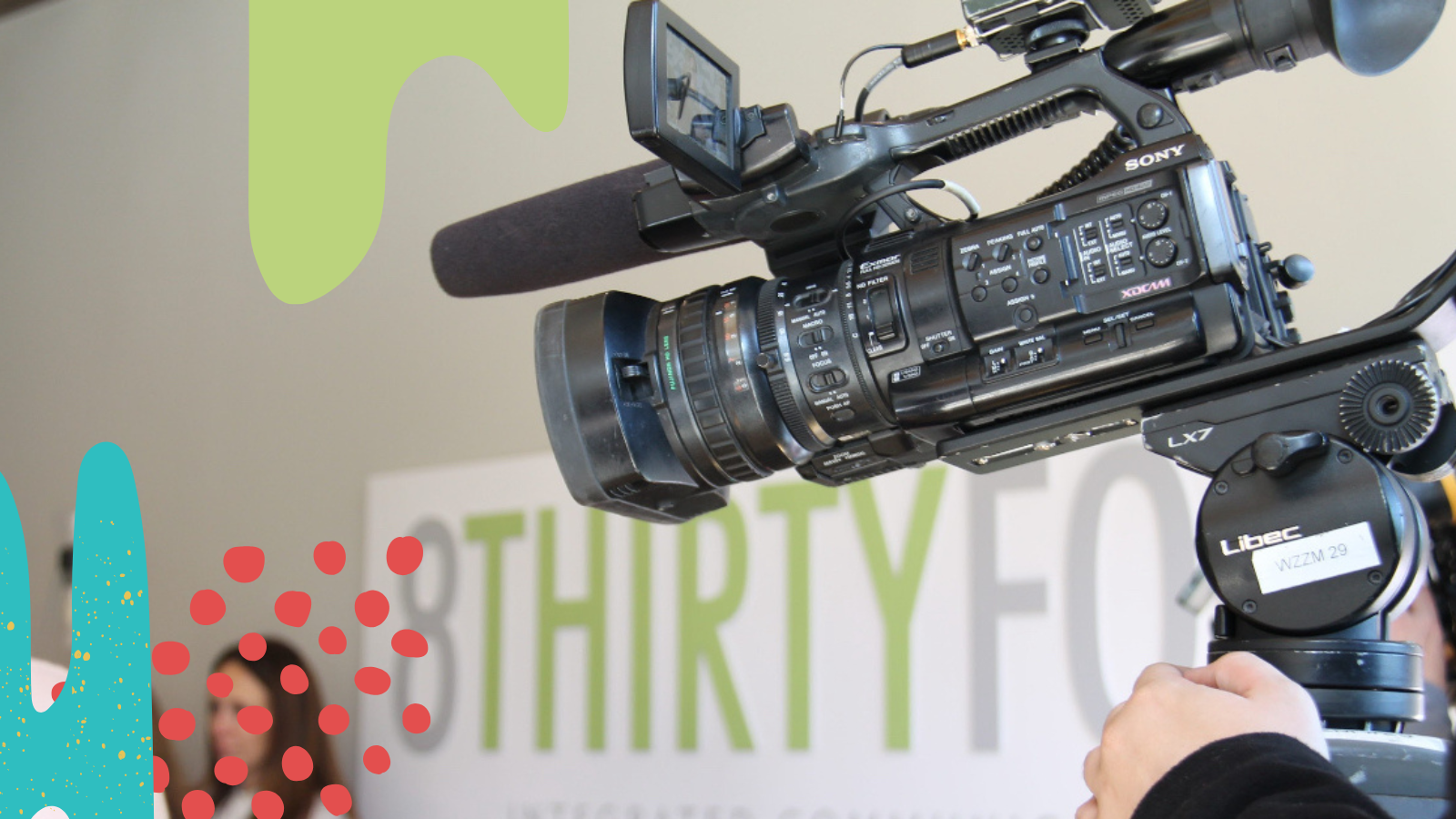
This will mean fewer newsrooms. Fewer reporters. Less coverage of issues that matter.


Local journalists play an invaluable role in connecting with each and every one of us, like the Vietnam veteran next door facing benefit cuts. Their investigations unveil important stories, such as the incredible work by a reporter at the Indianapolis Star who uncovered the Larry Nassar abuse case. They highlight how Medicaid cuts will affect your grandparents’ healthcare. They attend the media events where local food banks are talking about the tens of thousands of neighbors who won’t know where their next meal is coming from because of SNAP reductions in Trump’s ‘Big Beautiful Bill.’
Their coverage holds our elected officials accountable. If you want things to change, start with a journalist.
So what can you do about it?
Journalism is important and deserves to be protected. If you believe that (and you should), look to groups like the Committee to Protect Journalists and Society of Professional Journalists, which have options for advocacy and information about the elected officials who are working to protect free speech, not destroy it.
On an individual level: be better. Don’t just read the headline, read the story. Turn to news sources for news. Seek the truth, rather than falling victim to confirmation bias. The access we have to knowledge is a gift and a privilege. Protect it.



Responses