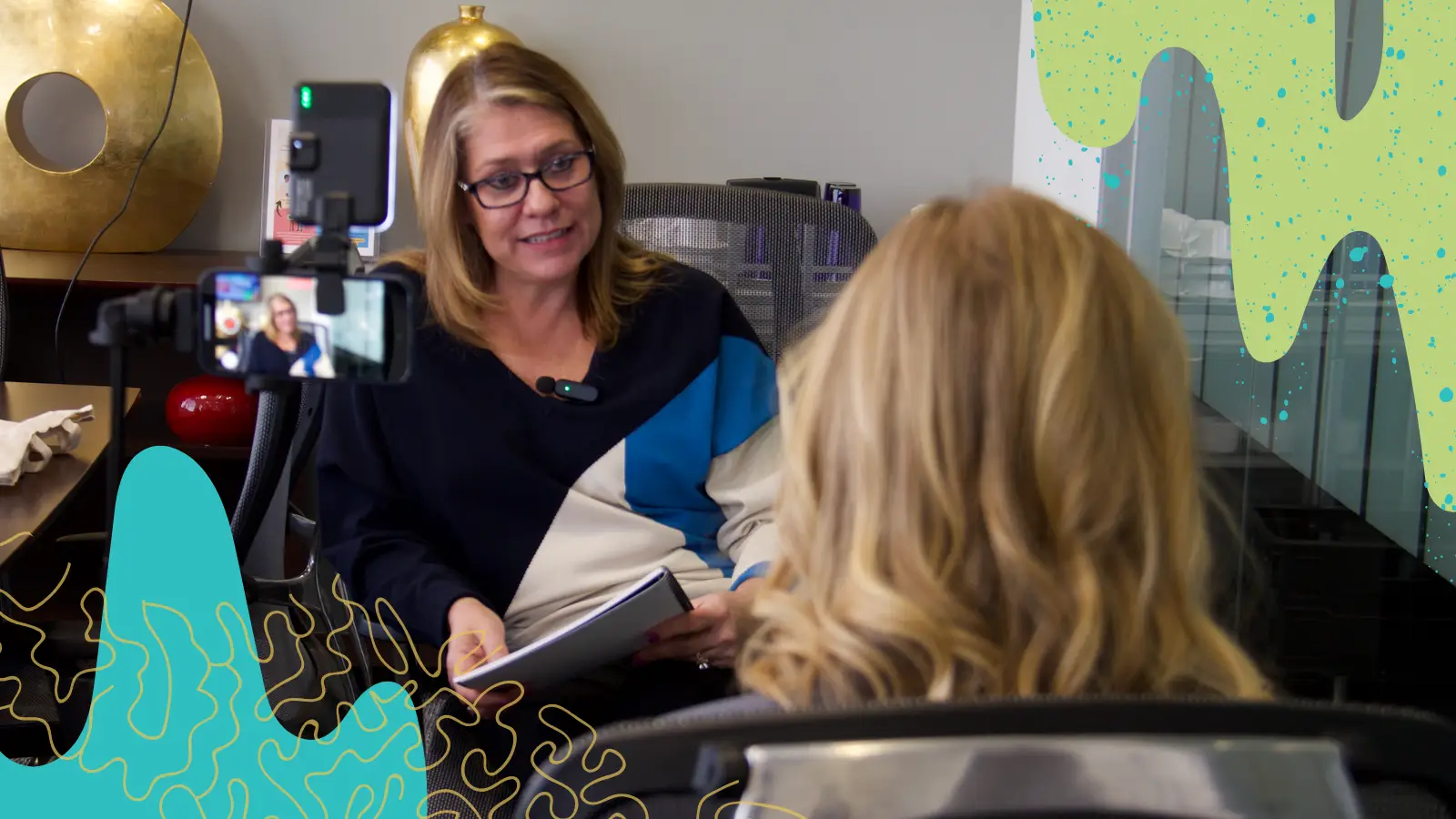
Media training isn’t about posture or wardrobe—though it’s important. It’s about preparing your leadership to speak with clarity, stay on message, and not freeze when a reporter asks a tough question.
For NTG Supply Chain Solutions, we built the strategy from the ground up—research, messaging, and media training tailored to their industry. Now, when journalists need insight, NTG is the one they call. That didn’t happen by accident.
With new tariffs announced weekly and no real direction from the current administration, supply chain companies are left sorting through the mess – chaos creates opportunity—if you’re ready to speak to it.
The Sitch
NTG Supply Chain Solutions faced multiple communication hurdles in an increasingly disrupted supply chain environment:
- Growing media attention on supply chain issues due to new and increased tariffs, geopolitical tensions, and environmental concerns
- Needing to explain complex logistics solutions to varied audiences
- Addressing crises without creating unnecessary alarm
- Balancing technical expertise with accessible messaging across different mediums
The leadership team recognized that while they were incredible at solving supply chain problems, they needed a strategic approach to communicating these solutions externally.
The Solution: Strategic Media Training Program
Our training is customized to each client and their industry. We walk them through real scenarios, tailor our approach to their industry, and give them the tools to communicate clearly when it counts.
We dig into the industry, the headlines, and the current issues. We then build training materials designed to prepare them for what the media is really asking—and what their audiences actually care about.
This included hands-on, in-person sessions built around their media history, real interview examples, and the four topics that define their value: global network strength, program-based consolidation, sustainability, and tech integration.
We created checklists and prep guides with clear tactics for staying on message, navigating tough questions, and leading the conversation. It’s that whole thought expert thing we preach on all the time.
We also make it a point to be in person; it builds confidence, clarity, and readiness, just slightly more effective than Zoom.

Putting it into Practice
Then we put our favorite clients on camera. We always say growth happens in the uncomfortable.
Throughout the two-day session, the team:
- Gained confidence in front of the camera
- Learned to keep answers brief and more effective
- Translated technical concepts into value statements
- Developed audience-specific messaging
- Built a toolkit of real examples and stories
- Bridged to key messages without avoiding questions
Take Media Training Seriously
Disruption isn’t the exception anymore—it’s the norm. Whether it’s tariffs, legislation, labor shortages, or global unrest, the companies that rise above it all have one thing in common: they communicate clearly, consistently, and with purpose.
Media training isn’t about spinning a message or dodging tough questions. It’s about preparation. It’s about knowing how to show up when it matters most—when your customers, partners, or the public are looking for answers.
When your leadership team can speak with clarity, confidence, and credibility, it builds trust. It sets you apart in a crowded, chaotic market. It turns communication into a strategic advantage.
Most companies wait until they’re in the middle of a crisis to figure this out. The smart ones invest early—because they know reputations are built in how you respond when the pressure’s on.
Is your company ready to lead the conversation?