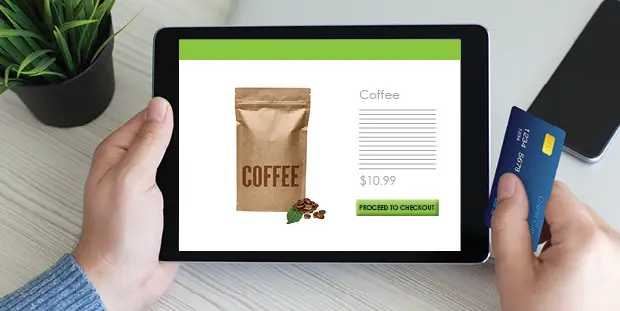
A study conducted by Yahoo’s Aabaco Small Business shows that 83% of eCommerce customers never buy the stuff in their cart.
(Hint: eCommerce customers = people who are shopping online).
Out of five million online consumers, 250,000 shoppers added products to carts; however, 83% of these shoppers left items in their online shopping cart. Thus, eCommerce cart abandonment. The study also clarified that if each product abandoned was worth $30, than a total of $6.2 million of revenue was abandoned, or left, in online shopping carts.
As marketers you may be asking yourself, “Why are these rates so high?” or, “How can I avoid eCommerce cart abandonment on my own site?”
Allow us to explain:
Show them the process, visually.
You’ve probably seen the horizontal process bars along the top of the screen as you complete a purchase. These show the user exactly where they’re at in the process. This transparency builds credibility and trust.
Be upfront with costs.
Hiding shipping, handling, tax, and other costs until the final checkout screen will alarm your visitors. Again, be as transparent as you can and they will trust you.
Add trust and security logos.
Let shoppers know that your site can be trusted.
Load times.
This goes for websites in general, but if it takes more than a couple of seconds for the page to load, shoppers are going to abandon the cart almost immediately.
Provide support.
Consider a live chat portal at the bottom of the page, ready to assist customers with any questions or concerns as they proceed through the process.
Think about “cart” usability.
A lot of people want to use the cart as a favorites option, either saving it for later, sharing it with a family member, or printing it out to take with them to the store. Even though these don’t always lead to completed sales directly on the site, at that time, you still want to capitalize on these behaviors and prevent your shopper from going to a competitor. Provide easy options to share, print, and save for later from your cart page.
Allow users to modify cart.
Give them the ability to remove items or update the quantity directly from the cart page without having to backtrack.
Don’t require accounts.
Give users the option to create accounts after they’ve completed the checkout process, but don’t require them up front. Don’t believe us? Go ahead, try it both ways and watch the difference in both checkout rates, and account creation rates.
Leverage free shipping and promo codes.
Shoppers love to know they’re getting a deal, and it’ll give them a reason to complete the purchase now instead of waiting for later and thinking about it.
In the end, it all comes down to transparency and usability.
Want some feedback on your e-commerce offerings? Looking for suggestions? Get in touch with Kayden, our Web Director! You can find him on Twitter (@kaydengrinwis). Hint: he loves coffee, beer, and pizza.