REGISTER NOW: Uncomfortable Conversations: The Skills Crisis
REGISTER: 8THIRTYFOUR Skills Survival School Founding Cohort

Creating a Brand Mood Board

Written by

Share This Post:

Mood boards serve as a bridge between concepts and the creation of a brand. 

They are your design process roadmap, if you will. They identify images, fonts, patterns, textures and colors before you begin developing the actual brand. 

Picture this, a client wants a vintage, retro feel for their new coffee shop and bakery. It’s our job to translate what they are describing into visuals. However, every person defines things differently, when they say retro are they referring to a certain decade? The 80s are very different than the 50s, so this is where a mood board comes in. 

By asking a series of questions, which we do in a brand survey, we can get more direction on the desired “mood” the client wants. Then we develop a few different mood boards to illustrate design direction.

Here are a few examples.

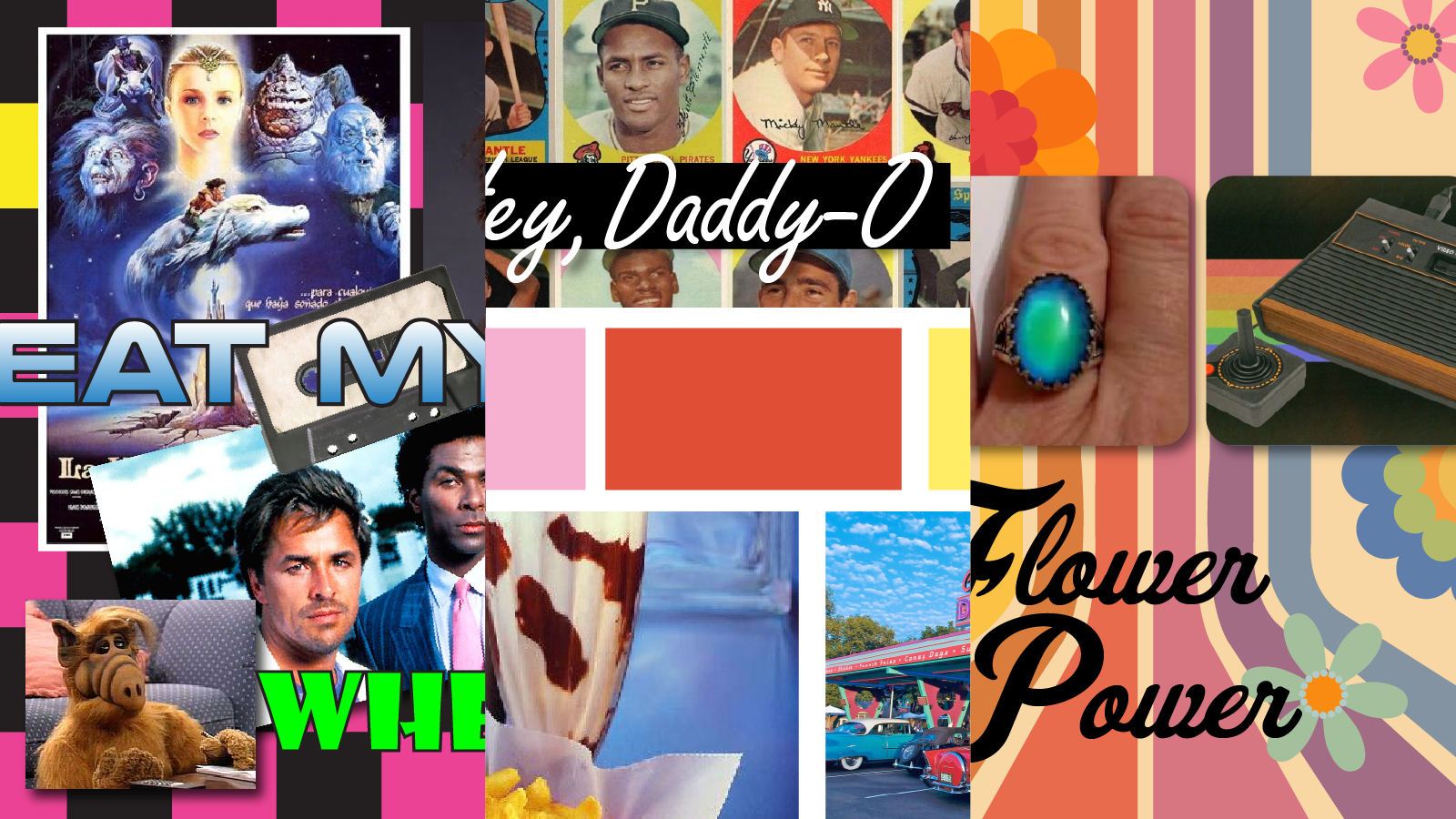
An 80s Throwback

If you need a refresher on the 80s, just watch Stranger Things. The show perfectly captures the entire decade with the vibrant colors, hairstyles, music, and fashion. Plus it’s like the best show ever. Like seriously. We love you Eddie Munson.

A collage of 80's movie posters and images along with a tape-deck boombox.

Clean & Wholesome 50s 

Girls collected dolls and stuffed animals, while boys amassed shoeboxes filled with baseball cards. When they became adolescents, they bought records; sipped malts and downed hamburgers at the local ice cream parlor, or went to the local drive-in theater. 

A mood board full of 1950's fonts, images, colors, and baseball cards.

The Groovy 70s

The 1970s was in many ways a decade of fads and crazes. Whether in fashion (with bell-bottoms, hot pants, and mood rings), exercise (jogging, aerobics), play (pet rocks, video games), or dance (disco).
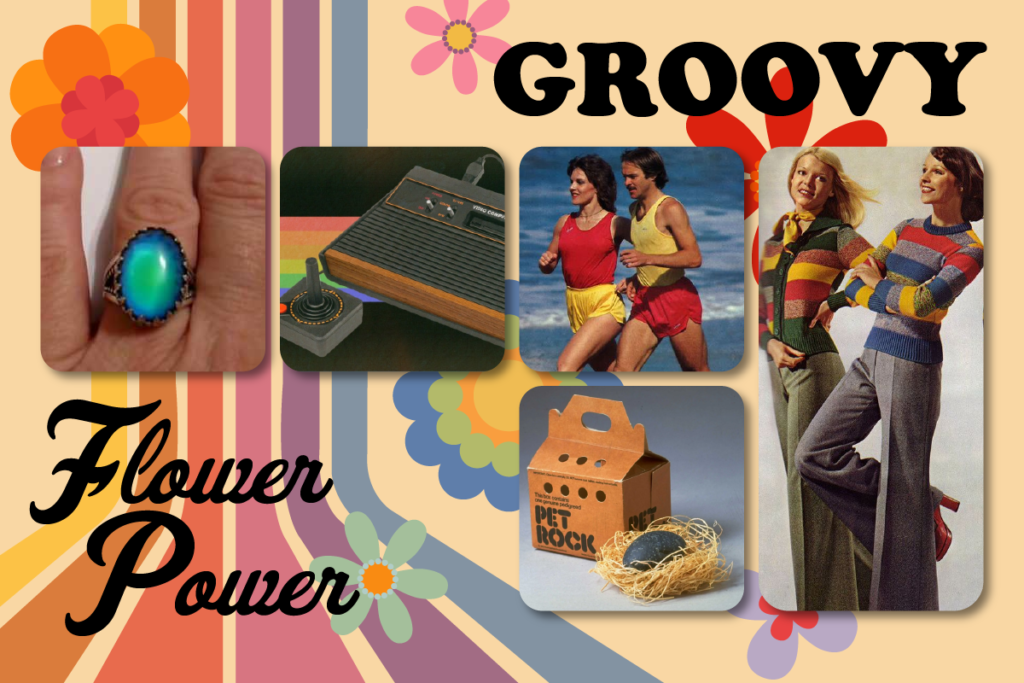
A 1970's mood board showcasing a pet rock, bell bottom pants, atari, and mood rings.

Mood boards act as a source of inspiration, ensures everyone is on the same page, drives future brand-related design projects, and tells a visual story about your brand.

They’re an incredibly important part of the branding process. 
Responses

Your email address will not be published. Required fields are marked *

Search

Recent Posts

Something on Your Mind?

Everyone knows the skills gap exists. Not enough people are asking what it's actually costing us.

Kim is partnering with mibiznetwork for a new series focused on the Hard Cost of Soft Skills - what skills are missing, what businesses are doing because of it, and most importantly... the fix. 

You can watch the first episode intro at the link in bio.
This is your Monday reminder that nobody has it all figured out at first.

Owning what makes you weird and unique takes time... and work. 

You can start that work at a Big Deal Energy workshop. First one is on June 23. Link in bio.
The brands winning in AI search aren't doing anything new; they just never stopped doing what worked.

Kim was quoted in incmagazine alongside business leaders talking about generative engine optimization, and her message is one worth hearing right now. The terminology is different, the tools are different, but the foundation is exactly the same.

Full article at the link in bio.
Big Deal Energy starts with questioning the status quo and the rules you've been told to follow. They were built for blending in, not standing out.

Thank you to fox17morningmix for the spotlight on our upcoming workshops. 

Watch the full segment at the link in bio.
Being open and being honest aren't the same thing, and according to Grace Gavin, most leaders haven't figured that out yet.

Grace is the co-founder of Know Honesty, and she joined Maddie on the Happy Hour Hustle podcast to talk about the communication gaps costing teams more than they realize.

If you lead people, this episode is for you. Link in bio.