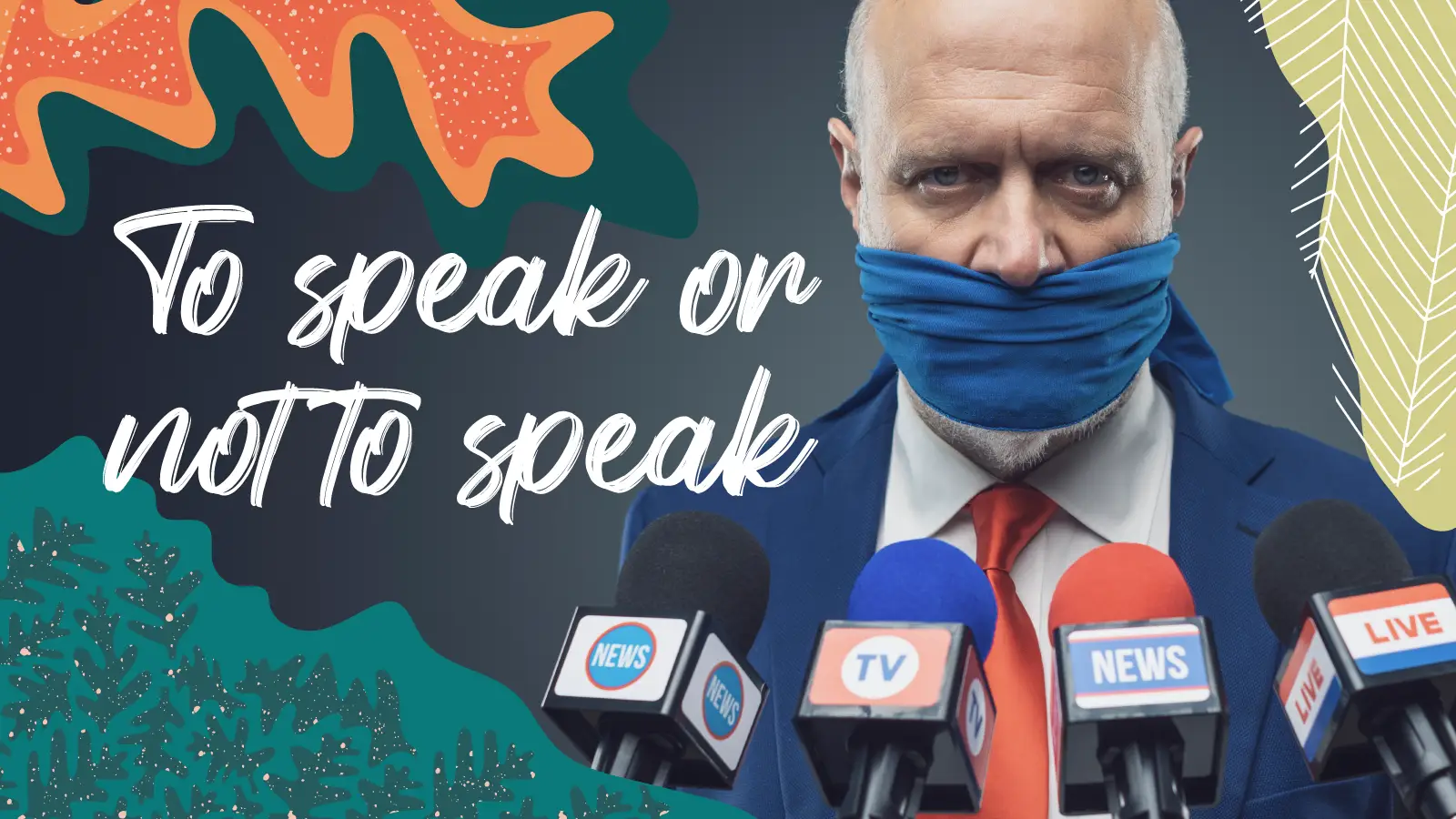
Why do brands these days always have to get political? Um…how can you not? Besides, it’s important, it drives business and create customer loyalty. If you choose to remain silent, that’s your prerogative, but you’re more than likely gonna get called out by your customer base at some point and you should be prepared to respond.
Forrester did a study on it, and they found, “when choosing between two brands with similar products, 43% of US adults will favor the company that takes a stand on like-minded social, environmental, or political values.” For Gen Zers, it’s even higher, because of course it is. We love that activist generation.
If you’re still on the fence about whether to speak up or not, here are instances when you should.
When Your Customers Care
Go back and read that quote again. “43% of US adults will favor the company that takes a stand on like-minded social, environmental, or political values.” The determining factor here is whether or not your customer base agrees with the stance you take.
For example, if I’m selling fashion accessories aimed at Gen Zers, I’m going to want to take a political stance that matters to the majority of that generation. Zoomers have a tendency to be pretty darn progressive—in fact, Gen Zers have even been called the most progressive generation to date.
Pew Research Center shows 74% of Zoomers support legalizing abortion in some or all cases, making a statement as a brand that caters to this audience about Roe v. Wade is probably a good idea. Will there be pushback? Of course. However, in the long run, you’ll build customer loyalty from your target audience. Ditto global warming, LGBTQIA+ rights, etc. etc.
When It’s Local
If you are anything like us, you give a sh*t about your community. When something happens on a local level, it isn’t always wise to stay quiet, and you should always pay attention.
It’s important to consider how the current event/situation/happening might impact your employees, clients, customers, or community. If the issue could directly affect any of the four–speak up. If somebody’s (or a group of somebodies) livelihood or human rights are at stake, you cannot sit idly by.
Just this week an event venue has come under fire for refusing to welcome the LGBTQIA+ community. They released a statement, really poorly written – clearly they did not consult a PR firm, about staying true to their Christian values. When pressed where that line is drawn, they essentially said atheists, satan worshippers, and more are welcome just not the gays. Cool, cool.
8THIRTYFOUR has never been shy about where we stand, especially as it relates to women’s rights, being an ally to the LGBTQIA+, and equal rights. Meaning, we’re gonna be speaking about about a whole hella lot right now, cause the world is kind of a shitshow currently.
In a time where so much is at stake, being apolitical is just lazy.
When It’s the Right Thing to Do
If you think this sounds idealistic, we don’t care.
Sometimes, things happen that are objectively bad—a local child gets abducted or there’s another school shooting. Those are black-and-white issues (they should be if you’re not a crazed gun advocate) when it comes to sympathy and supporting victims. It should be easy for brands to get behind. Who in their right mind would be upset about a company showing support for a community going through a tragedy?
But that’s not what we’re talking about here. What we mean are the times when the going gets tough. At the end of the day, someone has to be the first to stand up for what’s right, even if it doesn’t seem popular. There has to be someone to speak up for the underdog or to utilize their platform to elevate the voices of those without an outlet.
Is it scary to do? Absolutely. Risky? You betcha. Will people be mad and drop your services? Definitely…and then they’ll be replaced by the people who’ve seen what you did and want to support your business. Remember: 43% of people will back a business with similar views. You’ll be shocked at just how many supporters show up when you’re willing to take the risk and do what’s right.