REGISTER NOW: Uncomfortable Conversations: The Skills Crisis
REGISTER: 8THIRTYFOUR Skills Survival School Founding Cohort

Creating a Brand Mood Board

Share This Post:

Mood boards serve as a bridge between concepts and the creation of a brand. 

They are your design process roadmap, if you will. They identify images, fonts, patterns, textures and colors before you begin developing the actual brand. 

Picture this, a client wants a vintage, retro feel for their new coffee shop and bakery. It’s our job to translate what they are describing into visuals. However, every person defines things differently, when they say retro are they referring to a certain decade? The 80s are very different than the 50s, so this is where a mood board comes in. 

By asking a series of questions, which we do in a brand survey, we can get more direction on the desired “mood” the client wants. Then we develop a few different mood boards to illustrate design direction.

Here are a few examples.

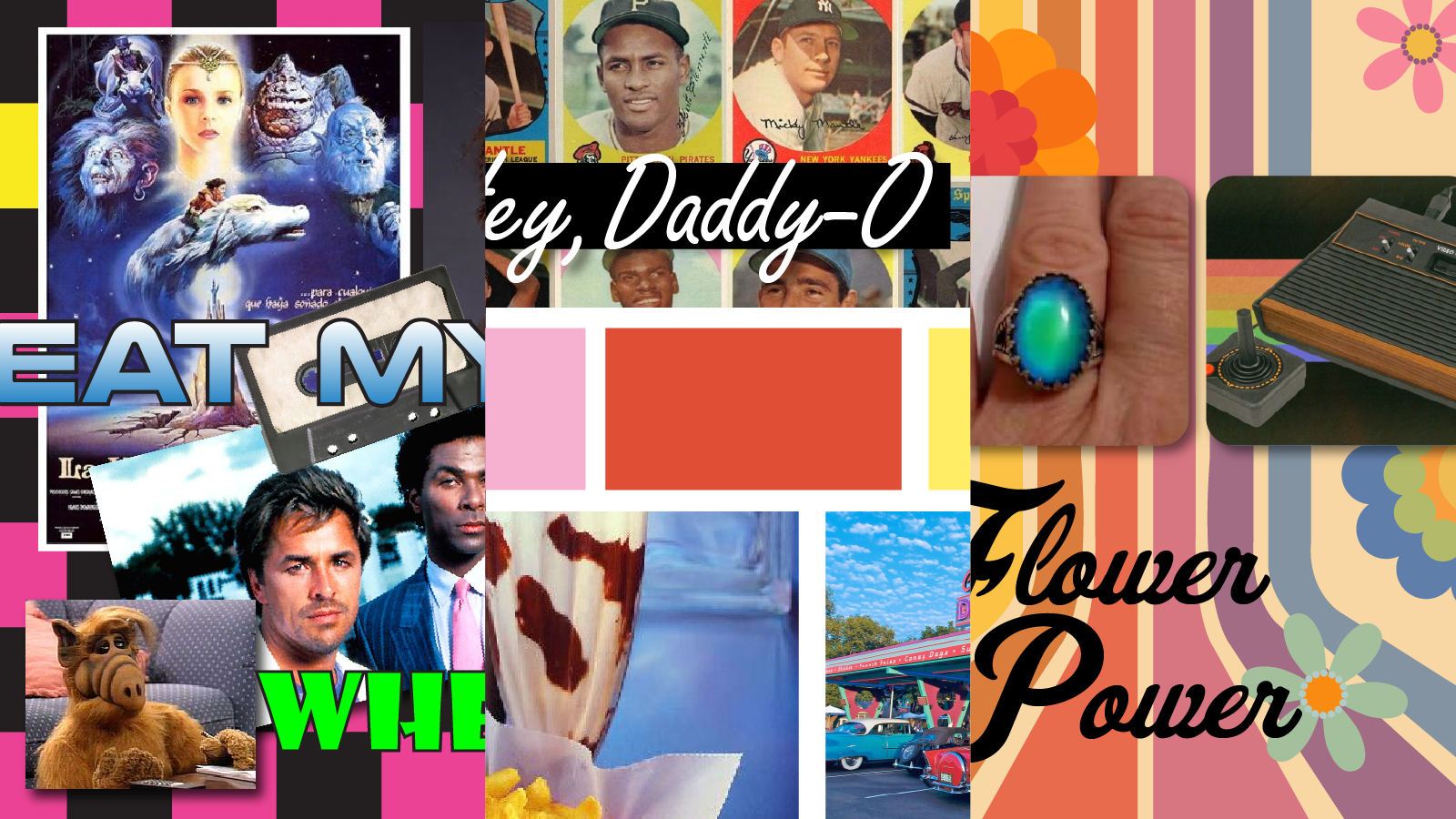
An 80s Throwback

If you need a refresher on the 80s, just watch Stranger Things. The show perfectly captures the entire decade with the vibrant colors, hairstyles, music, and fashion. Plus it’s like the best show ever. Like seriously. We love you Eddie Munson.

A collage of 80's movie posters and images along with a tape-deck boombox.

Clean & Wholesome 50s 

Girls collected dolls and stuffed animals, while boys amassed shoeboxes filled with baseball cards. When they became adolescents, they bought records; sipped malts and downed hamburgers at the local ice cream parlor, or went to the local drive-in theater. 

A mood board full of 1950's fonts, images, colors, and baseball cards.

The Groovy 70s

The 1970s was in many ways a decade of fads and crazes. Whether in fashion (with bell-bottoms, hot pants, and mood rings), exercise (jogging, aerobics), play (pet rocks, video games), or dance (disco).
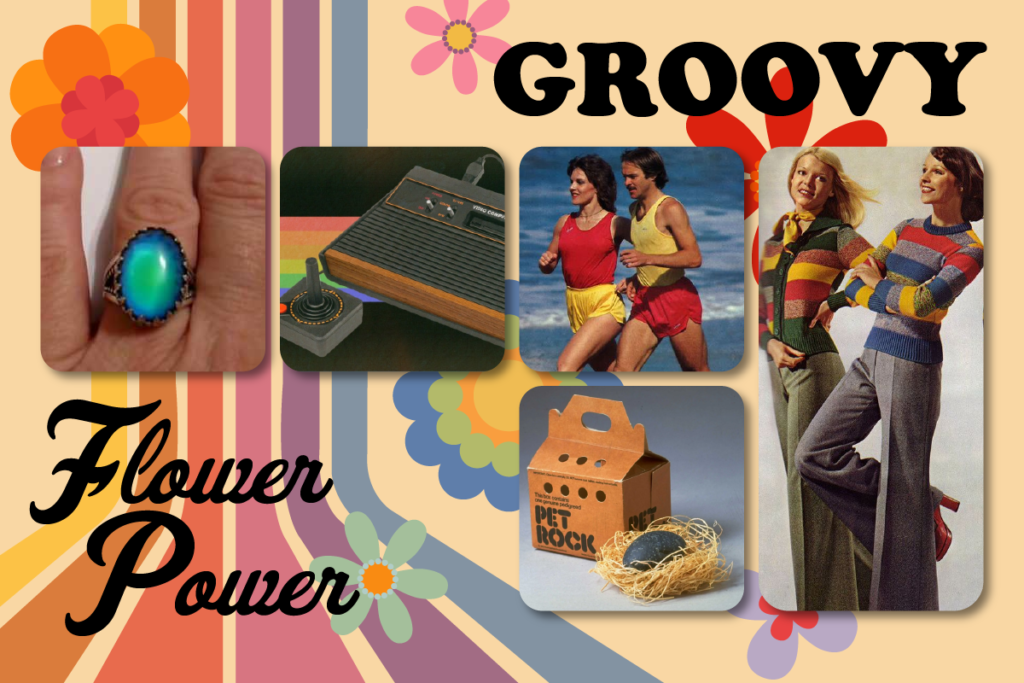
A 1970's mood board showcasing a pet rock, bell bottom pants, atari, and mood rings.

Mood boards act as a source of inspiration, ensures everyone is on the same page, drives future brand-related design projects, and tells a visual story about your brand.

They’re an incredibly important part of the branding process. 
Responses

Your email address will not be published. Required fields are marked *

Search

Recent Posts

Something on Your Mind?

Running 8THIRTYFOUR on EOS has allowed our team to find consistency in what we do and given us a framework to hold each other accountable. 

It's why @bodespeaks highlighted it in her latest @fastcompany contribution. 

Article at the link in bio.
We put everything business owners, employees, and educators told us on the wall, and guess what... yeah, some of it was mean. 

The point is, everyone is saying it about each other, not to each other, and nothing is getting fixed that way. 

Thanks to everyone who showed up to have the Uncomfortable Conversation on the skills crisis, and whether you were there or not, let us know what the next one should be. 

Link in bio.
Defense and manufacturing run on precision, protocols, and deadlines. When a team miscommunicates... things slip, and the cost adds up.

Kim will be at the Michigan Defense Expo in Detroit on May 13 to talk about the Hard Cost of Soft Skills (or as we call them, survival skills) and what we can all do about it.

Register at the link in bio.
If not for you, do it for her. 

@bodespeaks will be talking to @sheleadssocietymi on May 21 about Big Deal Energy™ and what it means to own what makes you - you. 

Don't let mediocre men tell you you're too much. That's on them. 

Come to the talk, it'll be fun. Link in bio.
We always say work smarter, which means bringing in expertise you don't have and hiring people who make your team more complete. 

That's what Kim Bode said in a recent @fastcompany article on building sustainability into your business.

Read the full article at the link in bio.