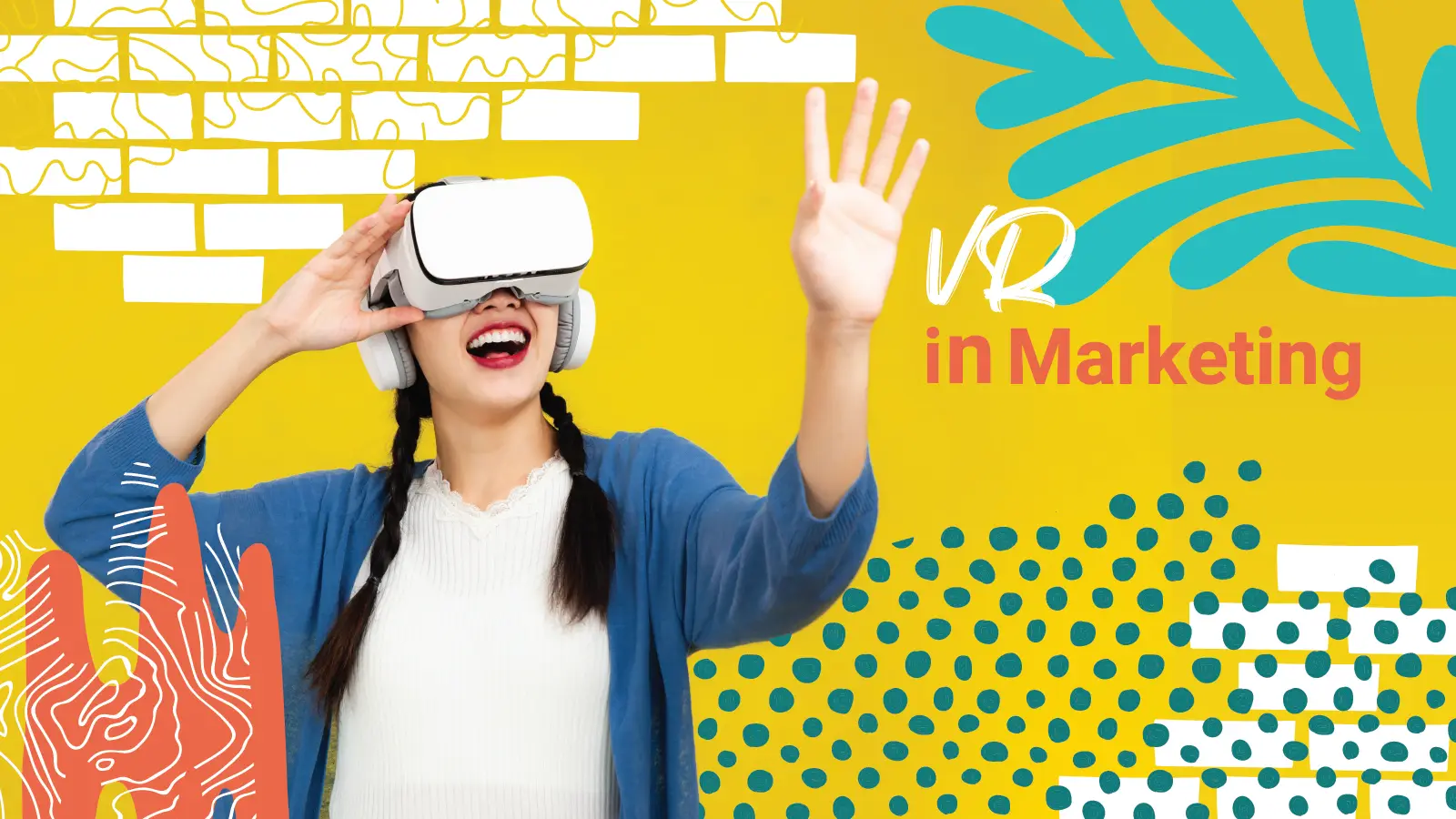
Virtual Reality (VR) is no longer just a concept from a sci-fi movie, it’s weaving itself into every aspect of our lives, including marketing. According to experts, the VR market was expected to reach a whopping $28 billion in 2022 and is projected to grow at a steady rate of 15% annually over the next 10 years.
But why should you care? Well, because VR is not just a fancy new toy for tech geeks, it’s a powerful tool that can help businesses improve efficiency, enhance operations, and take marketing to new heights. Think about it, instead of a boring old TV ad, imagine offering your customers a fully immersive, interactive experience with your brand. It’s like taking them on a virtual test drive of your product without ever leaving their living room.
And it’s not just limited to retail and tourism industries, industries like healthcare and education are jumping on the VR bandwagon for employee training and new product development.
So Where to Begin?
But how does one even begin to incorporate VR into their marketing strategy? Well, it’s simple, VR marketing is all about using VR technology to connect with your audience and build better brand engagement. Instead of reading about your product on a screen, imagine your customers interacting with a virtual persona of your brand. It’s like having a virtual spokesperson for your business, one that can walk, talk and even dance (if you’re feeling fancy) to promote your brand.
VR not only allows you to showcase existing products but also gives consumers an intimate glimpse of your creation process which can be a valuable resource for feedback. It can also drive emotional engagement and improve the content marketing strategies and the creation of more intuitive and immersive content.
With VR, marketers can reinvent how they deliver experiences by allowing consumers to virtually try on products before purchasing them, Warby Parker does this well with frames. Real estate companies and agents can conduct virtual tours, allowing buyers to be transported to the property and inspect the place for themselves, making them feel as if they’re really there. VR can also be used to showcase a property that’s still in development (think new construction), which can help buyers see what it could potentially look like once it’s completed and fully furnished. With the emergence of Metaverse platforms like Sandbox and Decentraland, VR is also making its way into virtual real estate allowing users to purchase virtual property and have early access to the Metaverse.
And let’s not forget about storytelling, traditional mediums like TV and films are great, but VR takes it to a whole new level. Imagine being able to transport your customers to a fully immersive, digital world where they can experience your brand story in a whole new way. The possibilities are endless!
It’s time to get on board the VR train and integrate it into your marketing efforts.
We’re here to help.