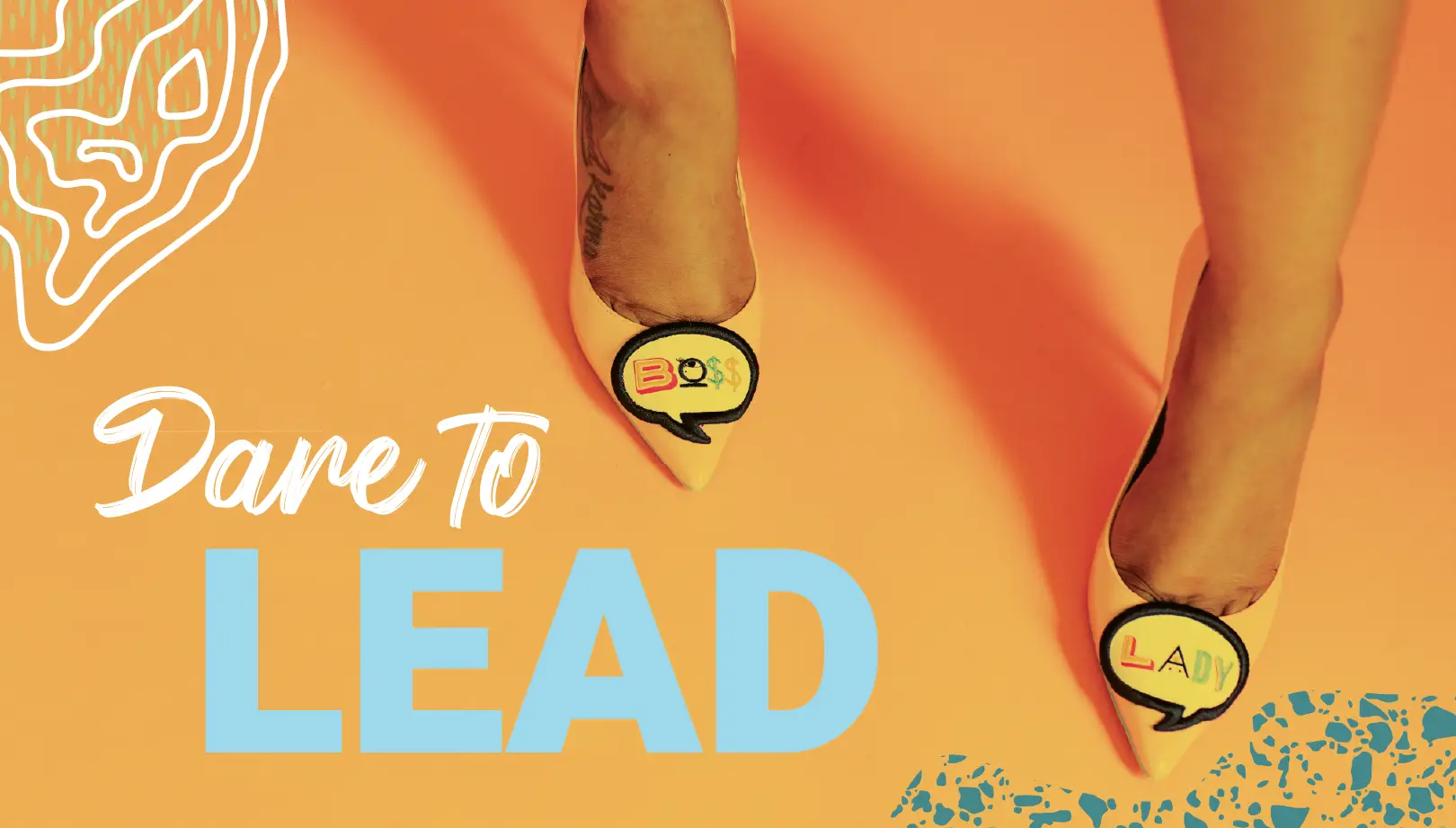
We’re gonna let you in on a not-so-secret part of being a good leader: it’s really, really freaking hard. But here’s the catch—deciding whether or not to let someone go or change your brand isn’t always the hard part. Those are the “jump now and see where we land later” moments. What we’re talking about is way, way scarier.
Vulnerability.
We know half of you just shuddered and the other half laughed, but hear us out. Some really, really smart people like AG Collaborative and Dr. Brené Brown have done a lot of research into what makes a good leader, and it all starts with trust. Trust starts with vulnerability. And that’s scary.
So, naturally, we’re gonna talk about it.
Screw being vulnerable. They should respect me because I’m the boss.
No, no. Hold on. That’s the equivalent of “you have to listen to me because I’m your parent.” Now, we’re not willing to bet a lot of stuff, but we will wager you’ve been a teenager before. Remember how well that line worked on you? Exactly. It didn’t. If anything, it made you want to do the opposite.
A key part of any relationship is an equal playing field. Sure, you’re not going to give a team member the ability to fire a CEO, so where are you going to start instead? Betcha already know the answer.
Opening up as a person means it’s way easier for other people to open up to you. Plus, it makes you just that—a person—instead of just their leader or boss or coworker. That’s a pretty good start.
Let’s Talk BRAVING.
Not being brave. BRAVING. It’s a fancy-dancy acronym created by Dr. Brené Brown about what makes someone trustworthy. Essentially, it goes like this (but with some added 8THIRTYFOUR flare):
- B is for Boundaries.
- Are they setting boundaries for themself? What about respecting other people’s boundaries?
- R is for Reliability.
- Does the person do what they say they’ll do? And if they’re overloaded, are they open about that, or do they just overpromise and underdeliver?
- A is for Accountability.
- When shit hits the fan and they’re the one who threw it, do they own up to it? Set it right?
- V is for Vault.
- This one’s weird, we know. Essentially, if you tell someone something in confidence, do they go on to tell others? And do they tell you things that other people wouldn’t want you to know?
- I is for Integrity.
- Do they choose what’s right over what’s fun? Those morals they say they have—are they living them or just talking about them?
- N is for Non-judgement.
- Can you ask for something without getting judged? Are feelings something you can discuss openly (within reason, of course), or does that make things weird?
- G is for Generosity.
- Do they assume the worst from your actions, words, and intentions? Or do they give you the benefit of the doubt whenever possible?
L is for the Way You…Leadership…?
Look. We’re marketers, not lyricists.
Anyway, all of those seven things show—you guessed it—a level of vulnerability while expecting the same from the other person.
Here’s a fun exercise to put it in perspective. Think of someone you wouldn’t trust to hold an egg without breaking it (side note: they have to be over the age of 10, because, well, every kid’s gonna spike that egg like a football. It’s in their genes). Which of those seven things is that person missing with you? Score that relationship. Is it a 1 out of 7? What about a big ol’ goose egg?
Now think about the best coworker or boss you’ve ever had. Do the same thing. Chances are their score is a lot higher than that other non-kid you evaluated up there. That’s because all of these pieces are important when it comes to building a relationship based on mutual respect. And, of course, in order to lead someone, you need them to respect you. See? It comes full circle.
If you love all of this leadership talk and want to learn a bunch more, we know some people who can give you a leg up. Just make sure to tell them we sent you, okay?
…and it’s not because we’re trying to get them to buy us a drink.
Okay, that’s totally why, but play it cool, okay? Be cool.