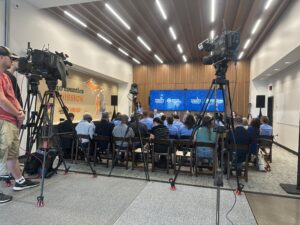
 As we gear up for another week of media announcements, press conferences, media training and pitching, I wanted to share some tips on media preparation.
Reporters use interviews to gather information and flesh out their stories. It is the basic tool of news gathering and a great opportunity for your organization to communicate its messages to its target publics.
Public relations and media training is well worth the time and expense in order to ensure spokespersons can fully capitalize on media opportunities and avoid missteps.
Ultimately, the choice is yours. Below are my top ten tips for media interview training. As you review them, keep in mind that no matter how friendly or seemingly innocuous, no interview is a casual conversation.
- Never wing it. Successful message delivery depends on preparation. Invest time and effort in rehearsals, whether working with a professional media trainer or your in-house public relations team. Get your spouse or partner or a trusted pal to lob questions at you. Think through how you will respond to tough or hostile questions by developing and practicing clear, honest and appropriate answers.
- Start small. Try smaller venues before hitting the big time. Trade shows are a good starting point where you can conduct a large quantity of media briefings with what is typically a relatively friendly community of journalists. Take charge of your nerves. Being nervous is normal, but don’t let your body language send messages of fear or doubt.
- Be in control of the interview. Be the first to speak by assertively introducing yourself and initiating a handshake. Jump right in and ask a few basic questions of the interviewer, such as who else they’ve spoken to and how much time they’ll need. Doing so puts you in the driver’s seat.
- Return to key points as often as possible.
- Minimize distractions. Turn off your cell phone or give it to someone else.
- Make eye contact with the journalist. If the reporter is present, do not look at the camera. Holding eye contact is critical to projecting a positive and confident image. Looking down can make you seem uncooperative, while looking from side to side can make you look shifty or evasive.
- Do not repeat an interviewer’s negative comment as you respond to a question. Always frame answers in a positive way.
- Avoid jargon, industry language and acronyms. Reporters are communicating the information you give them to the general public. It is important to speak in terms everyone can understand.
- Never speculate. It is human nature to give it your best shot at coming up with an answer, but in a media interview, being pretty sure can harm your organization’s reputation. If you don’t know, say so and promise to do your best to find out the correct answer and get back to them.
- Be responsive, but always remember your purpose. You aren’t there to be a talking head and answer the interviewer’s questions; you are there to communicate your key messages. While you should not be evasive, you should always work your messages in.
I definitely encourage you to hire a professional to assist, it is worth the investment.
Originally published by: Small Biz Musings