Back in February, Kim wrote a blog about the skills crisis that ended with a P.S.: “I am going to host a conversation about this. If you want to be involved, email me.”
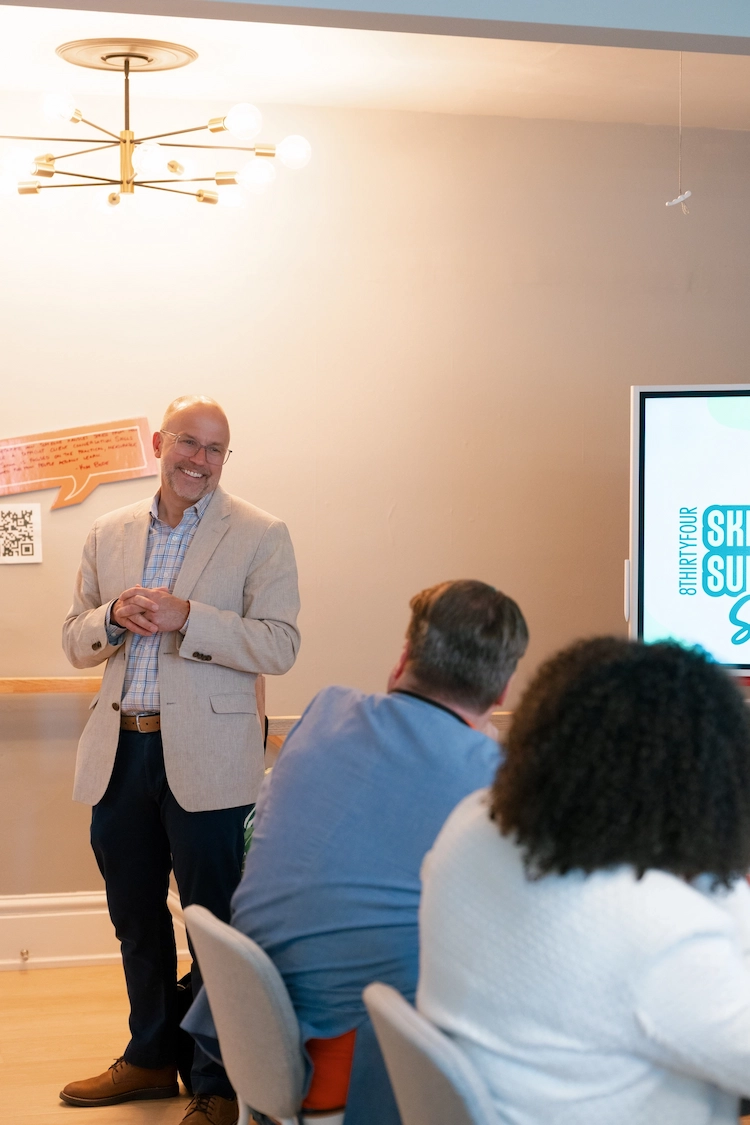
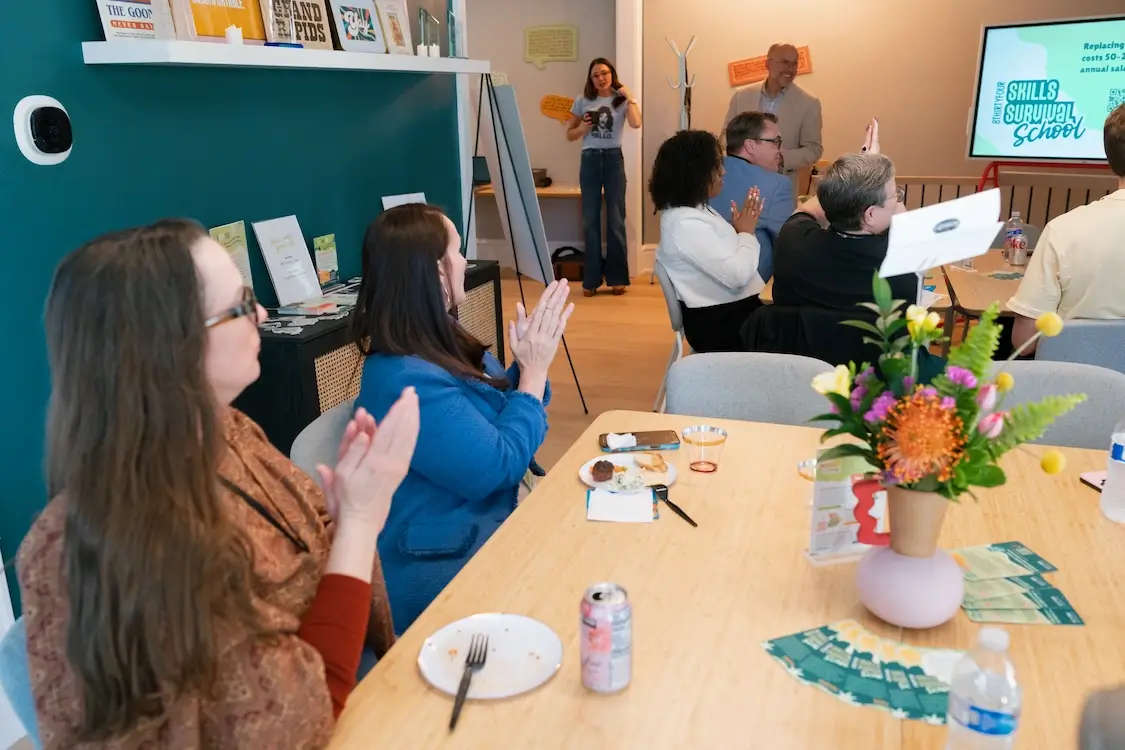
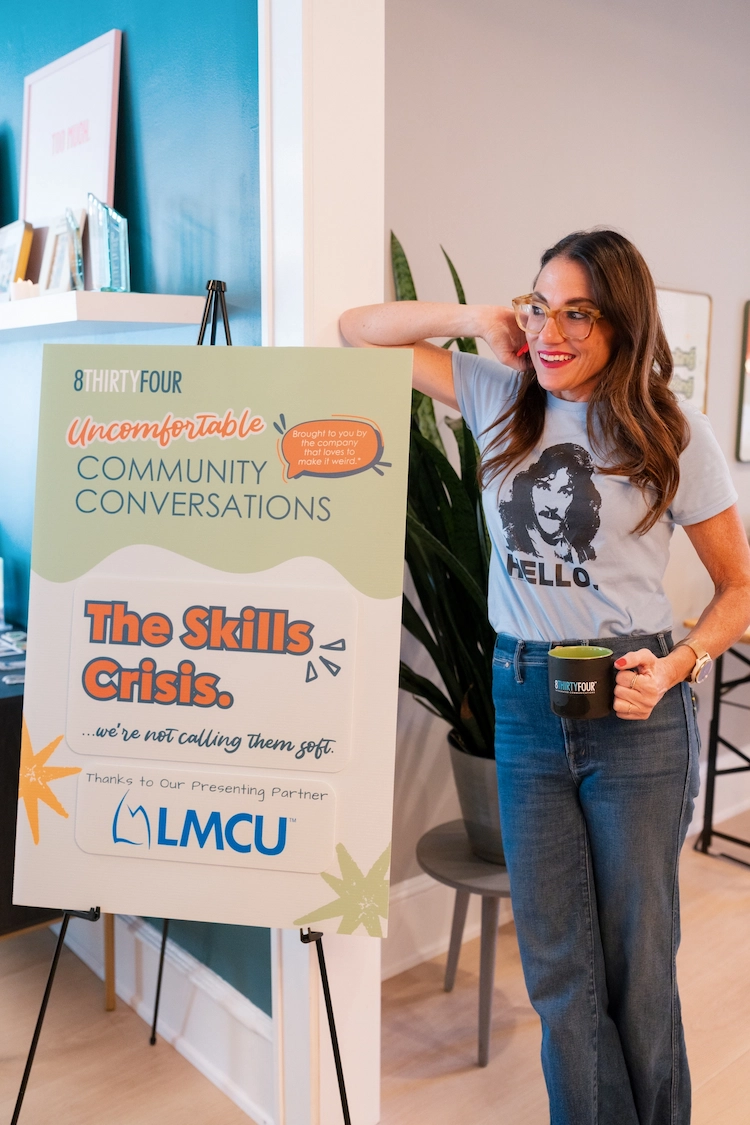
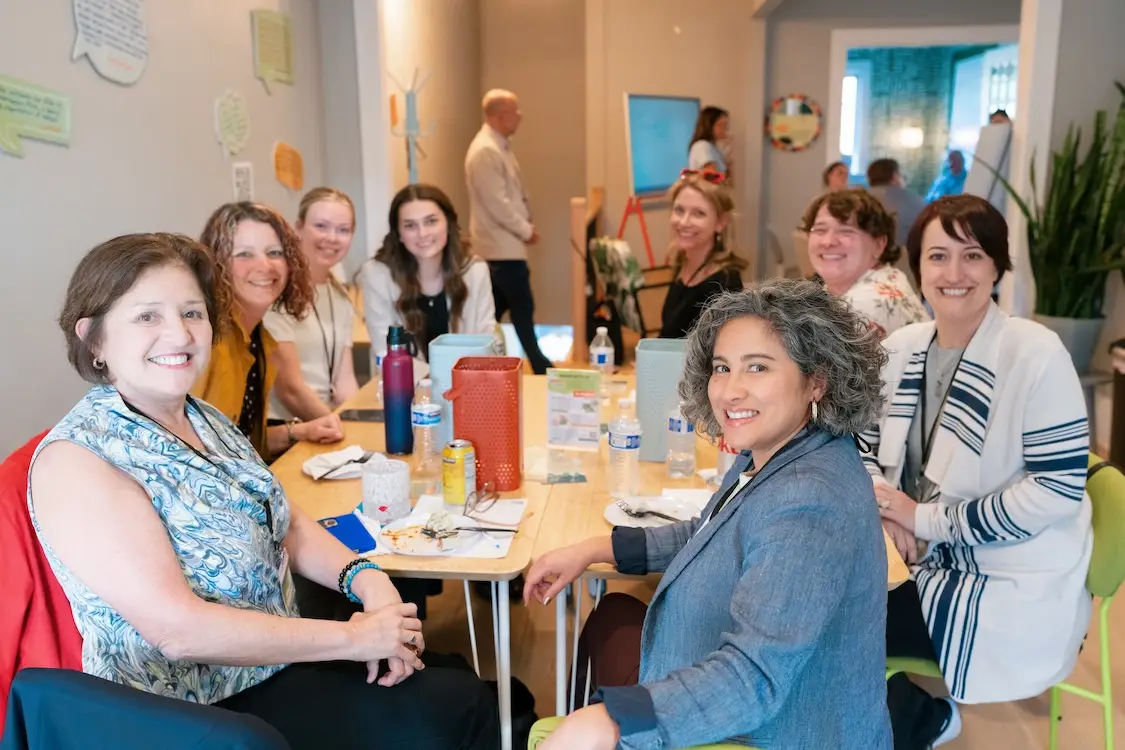
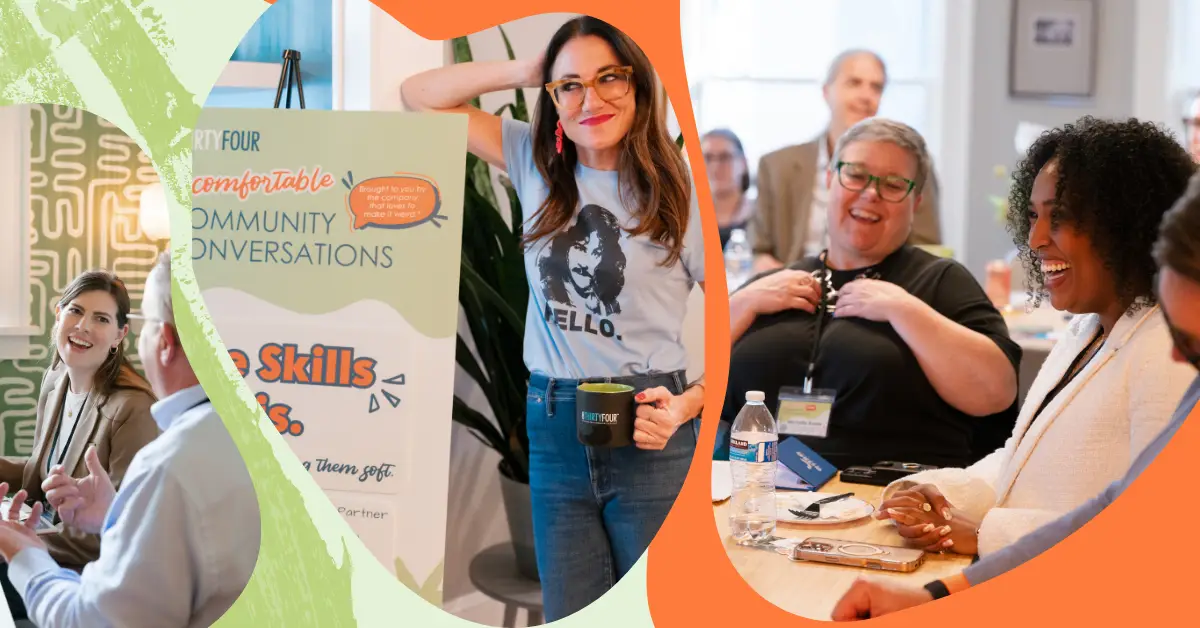
On April 28th, we held that conversation in our new space, the 8THIRTYFOUR Learning Hub, the second floor of our home in Creston.
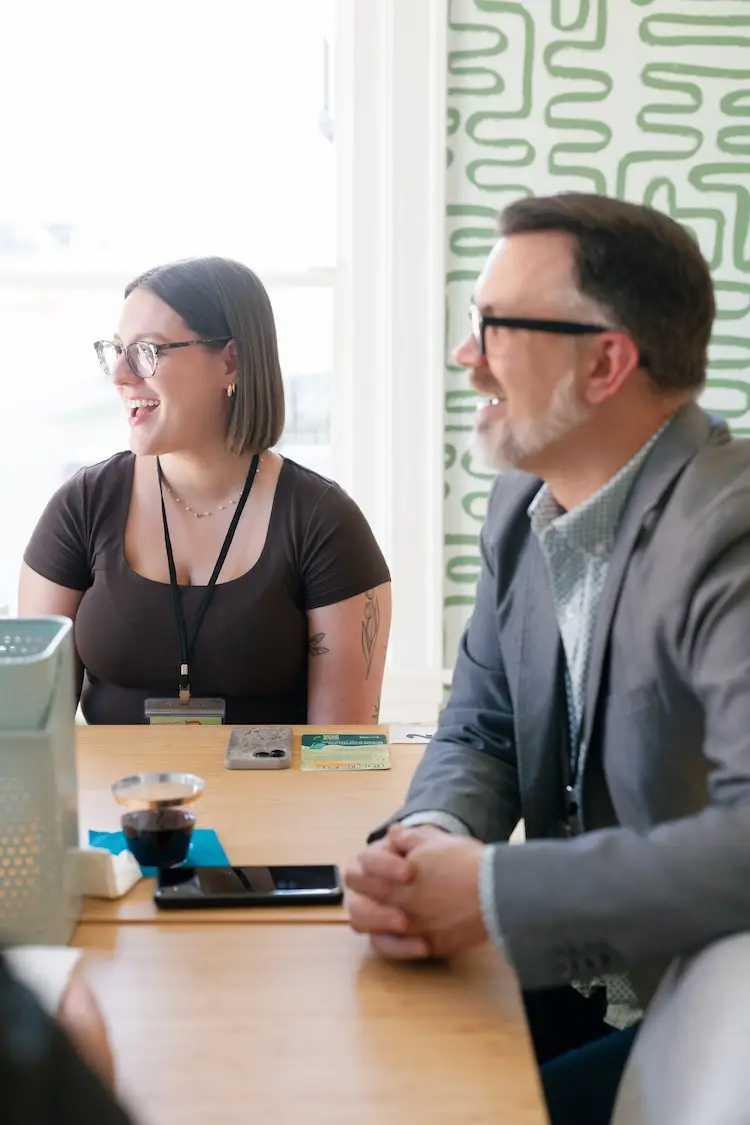
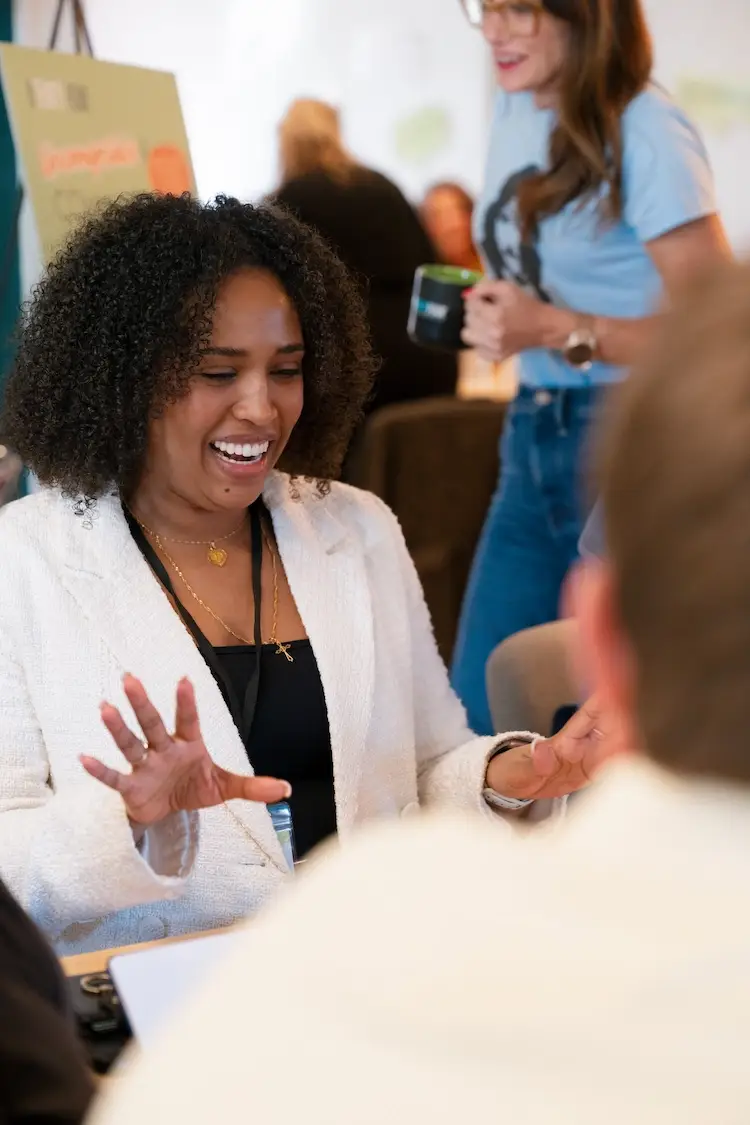
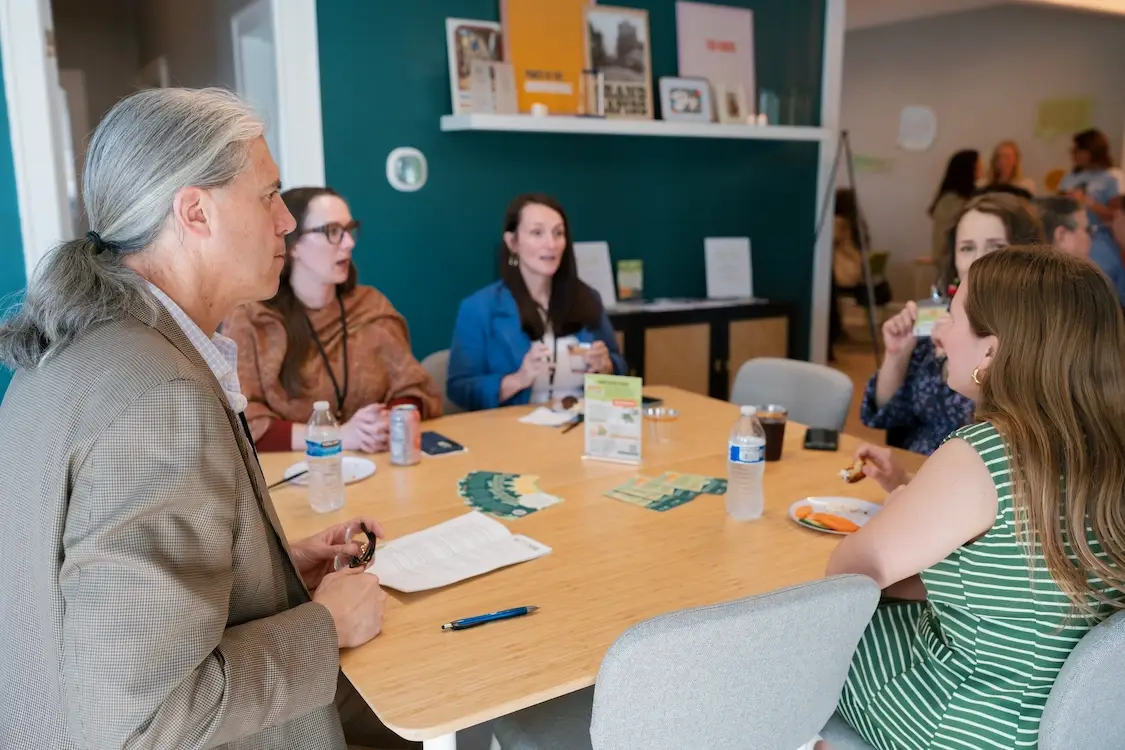
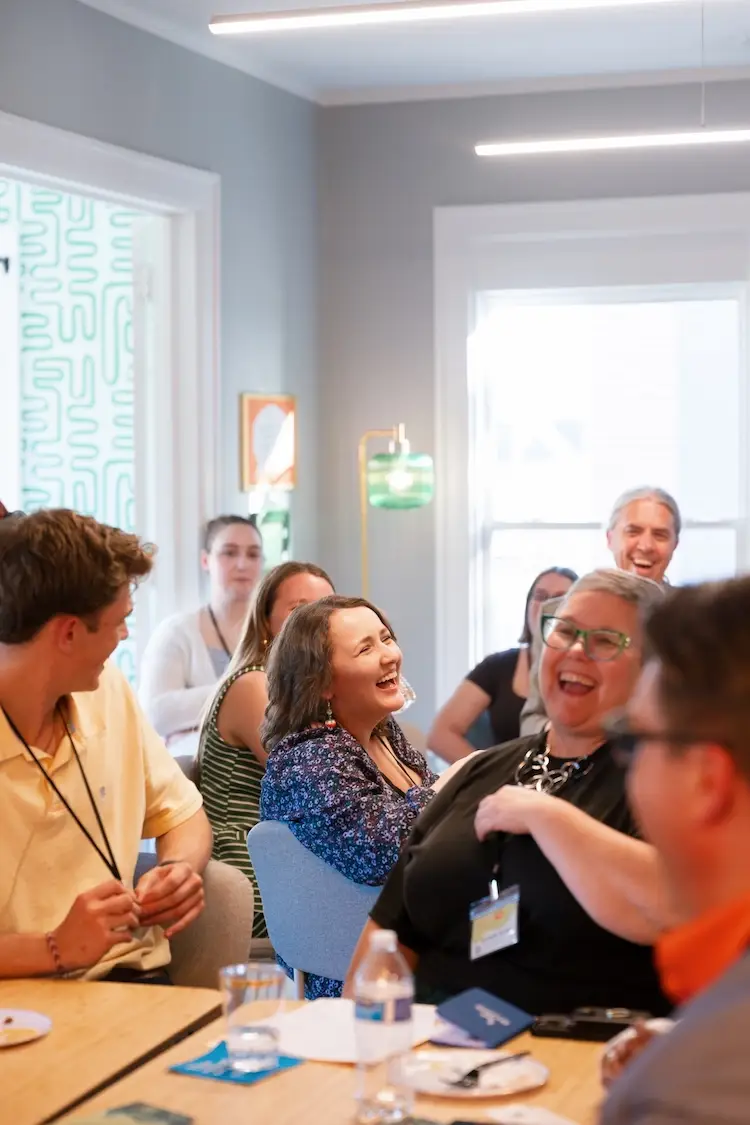
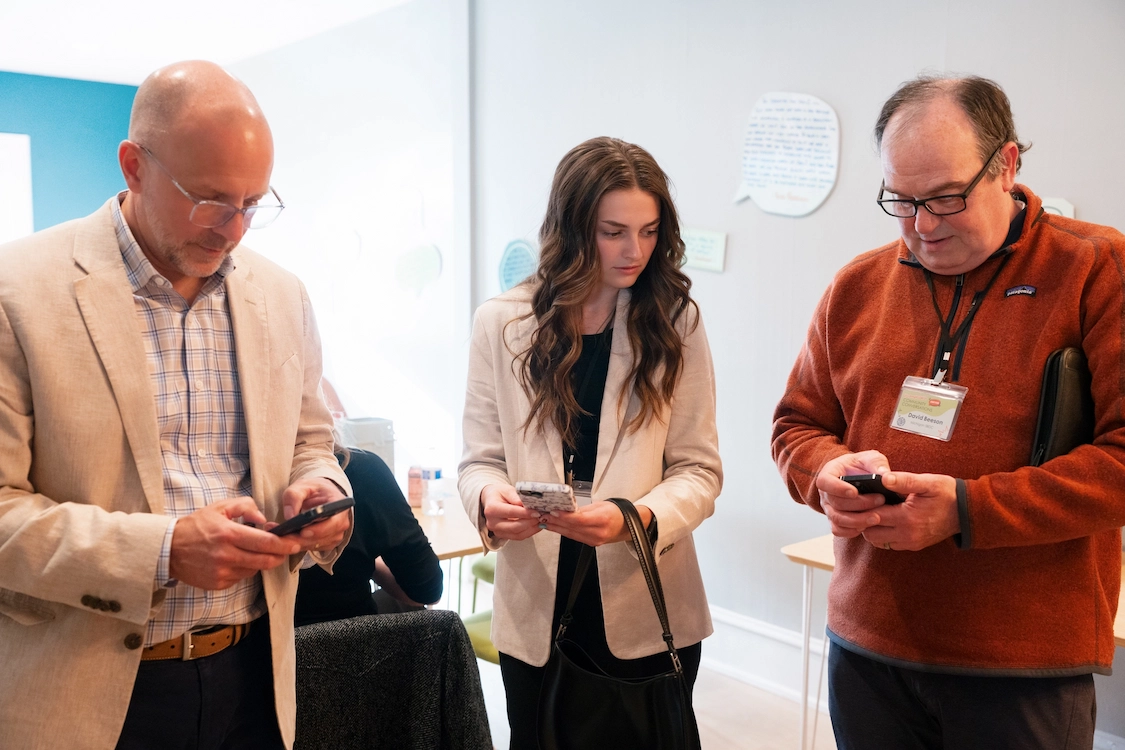
Uncomfortable Conversations: The Skills Crisis, hosted employers, educators, young professionals, students, and job seekers to have a conversation face-to-face, instead of about the other.
“The workplace has changed, and we have to acknowledge and accept that the old way of doing things is just not how this generation operates.” — Kim Bode, CEO of 8THIRTYFOUR
Gen X vs. Employer
When people registered, they were asked to answer either: What is your perception of Gen Z? Or What is your perception of today’s employers? The answers underscored the importance why this conversation mattered.
Employers came in with a mix of frustration and genuine curiosity:
“They expect too much too soon. It seems to be more about balance than hustle. On the positive side, they are tech-savvy, fast learners, open to innovation, and more vocal about workplace culture and fairness.” — Employer
“Love them. They’re so over antiquated expectations. They’re resourceful, entrepreneurial, incredibly direct, and they care nothing about ‘West Michigan nice.’ Employers should modify their standards to open up the wealth of skills that digital natives bring to the table.” — Employer
“An absolute mixed bag. The gems stand out and show me critical thinking. Others are left unprepared, not by their own fault, but by what they weren’t taught.” — Employer
Young professionals and students shared their own frustrations.
“There are no entry-level jobs available. Going through college, we were promised multiple opportunities, and we are not seeing that. We want to learn, in-person and hands-on, so we can develop skills from leaders.” — Young Professional
“Employers assume we’ll accept very low pay and want us to run their social media because we ‘understand how that stuff works.’ I am so much more than that.” — Young Professional
“I hear a lot that young professionals lack soft skills. While there’s truth to that, employers don’t hold the same microscope to other generations when it comes to digital literacy, social media, and adaptability.” — Young Professional
“It’s hard to ask for help or guidance or feedback. We’re just expected to know already.” — Young Professional
Educators landed somewhere in the middle, watching both sides and recognizing the gap from a different angle:
“Gen Z wants to do work that is meaningful. They want to make a difference.” — Educator
“They tend to lack exposure to conflict and diverse perspectives, and may need support developing workplace communication and navigating ambiguity.” — Educator








It starts with a conversation
Kim opened by asking if anyone had read the thought bubbles (insert picture) on the walls, which had their own words written on them. One of the young professionals pointed out some of it was really mean, and she wasn’t wrong. One of the employers said they lack work ethic and dedication. A recruiter pointed out their work ethic is frustratingly soft.
This. This is the entire reason we host Uncomfortable Conversations, to talk about the stuff no one wants to talk about and to solve the problems everyone thinks are impossible.
We knew if we sat Gen Z and employers down together they would start to understand each other and maybe, just maybe find something in common.
Rebecca Narayana, who attended as a job seeker, put it this way: “My tablemates and I found commonalities in our backgrounds, experiences, and perspectives, and learned from each other about our differences. It was proof that when we sit down and have authentic conversations, we can naturally find connections and learning, if we are open to it.”
For many in the room, it was the first time they’d been in a space that wasn’t a networking event or a training session. As one attendee described it: “We all attend networking events. We exchange what we do. We share titles, companies, quick pitches. But rarely do we pause to ask: how could we do this better, together? This space created that opportunity.”
What we heard.
Part of the format of Uncomfortable Conversations is for attendees to share their thoughts and what they learned, so at the end each facilitator did just that.
Read for yourself, it’s good stuff.
- The feedback loop is broken. Employers have stopped giving hard feedback because they’re afraid of how it’ll land. Young professionals are walking around with blind spots no one will address. One attendee was still thinking about it days later: “Marlee’s commentary on ‘is it a skill gap or a will gap?’ was insightful and succinct enough to remember. The topic of work being transactional stuck with me. Since Tuesday, I’ve thought about it a few times, and I’m still working through the two sides of that coin.”
- The “entry-level” label doesn’t mean what it used to. Entry-level positions increasingly require mid-level experience, while employers are expecting workplace norms on day one that were never explained during hiring. Everyone showed up with different definitions of the same words.
- The AI conversation is really a trust conversation. Employers worry that young workers are offloading thinking. Young workers feel unfairly judged for being fluent in tools that employers are simultaneously demanding they know; there’s no shared framework, just mutual suspicion.
- Loyalty has no shared definition. When we asked both sides what loyalty looks like at work, and it was a perfect example of not understanding the other. Employers want longevity, young workers want reciprocity and until they’re speaking the same language, both sides will keep feeling burned.
Natalie Lowell, who served as a table facilitator and is President of Project Management Institute Western Michigan Chaper summed it up pretty perfectly: “The skills gap is not just about technical skills. It is about communication, feedback, initiative, professionalism, adaptability, and understanding the unwritten rules of the workplace. Thank you, Kim and the 8THIRTYFOUR team, for creating space for the uncomfortable, and necessary, conversations that help build stronger people, stronger teams, and a stronger West Michigan workforce.”
What’s next.
Talking about a problem isn’t enough. A one-day workshop won’t fix this, and neither will a single online course. You cannot separate how someone handles stress from how they handle a difficult conversation; you have to address the mental and emotional alongside the professional.
This is why we built 8THIRTYFOUR Skills Survival School, not as a certificate program, but as a 90-day, cohort-based, integrated learning experience.
The results speak for themselves: Companies with strong skill development programs retain 58% more employees. Mentorship programs specifically increase retention by 38%. Employees who feel supported by their manager are 63% less likely to be actively looking for a new job. 69% of employees are more likely to stay for three years if they experience strong onboarding and development.
The cost of doing nothing is one we already cannot afford.
Join the 8THIRTYFOUR Skills Survival Cohort | September 2026 | 90 Day Program
What Should the Next Conversation Be?
We’re not done. The Uncomfortable Conversations series will keep going, and we want you to shape where it goes.
Tell us what we should talk about next, and remember, we love to make it weird.
See you at the next one.