It was time to get uncomfortable again, and talk about something we definitely aren’t talking enough about: Perimenopause.
I mean, this discussion is necessary as it does affect half of the world’s population.
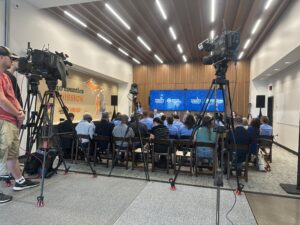
Uncomfortable Conversations: The Pause hosted a full house on September 24. We even had a couple male attendees join in the convo.
What They Wanted
When folks registered they were asked a couple key questions: What’s one thing you’re hoping to leave with, and What’s one thing you want to know, or wish others knew about women navigating perimenopause/menopause?
Our registrants understood the assignment and brought many responses to the table. Attendees hoped to leave with three main things; First, they wanted connection and community. They wanted a chance to meet other women navigating this stage, hear shared experiences, and build relationships with leaders who want to thrive and help others thrive.
They also wanted some real clarity and practical tools. That meant getting a better handle on what’s going on with their bodies, finding good advice and resources (like which kinds of doctors to see), and getting a sense of what’s coming so they can prepare and speak up for themselves.
And lastly, they wanted help with the workplace side of things: Tips on how to talk openly about perimenopause at work, how to spot when a colleague or team member needs support, and how to feel comfortable sharing their own needs, whether they’re on the team or running the business.
What They Got
What they got was real talk amongst women, employees and business owners. They had the opportunity to ask questions and get answers, as well as hear from a panel of experts on all things perimenopause.
Our 3 guest panelists ranged in expertise and focus, and came to play.
Dr. Karen May is a chiropractic sports physician and Certified in Chronic Intractable Pain and Neuropathy and has over 20 years in holistic health care.
Dr. Diana Bitner is a board-certified OB/GYN specializing in midlife, menopause, and sexual health. She is co-founder of true. Women’s Health, a concierge practice in West Michigan.
Cheryl Bergman is a statewide policy leader advancing economic opportunity and improved health outcomes for women in Michigan. She was appointed Executive Director of the Michigan Women’s Commission by Governor Gretchen Whitmer in 2019.
The Hot Topics
The experts were able to answer questions pertaining to symptoms, policy, hormone therapy and how perimenopause can affect every facet of your life.
First up, the policy stuff, and it’s actually good news. The Michigan Women’s Commission launched a menopause movement in 2025 (see the Menopause Memorandum). They talked to more than 2,500 women, and have two bills through the House with support from both parties. One trains doctors on menopause. The other launches a public awareness campaign.
Why it matters: about 1 in 10 women leave their jobs because of this. Most employers aren’t going to fix that on their own, so the Commission is going straight to women instead, with a free speaker series and a coaching program to help us build our own communities and speak up for ourselves at work, at the doctor, and at home.
Conversation around care was blunt. Find a care provider who actually knows perimenopause, goes by evidence and not their gut, and lays out all your options. Menopause.org is a great place to start.
And the hormone therapy panic from years ago? Mostly outdated. Hormone therapy helps with hot flashes, sleep, mood, bones, and vaginal symptoms, and it can even lower your heart disease risk factors. It’s safe for far more women than most of us were led to believe. There was also discussion of good non-hormonal options too.
The Everyday Stuff
Then we discussed the everyday stuff. Perimenopause symptoms run the gamut – hot flashes, brain fog, insomnia, rage, uncontrollable emotions – and these are just the tip of the iceberg. So of course this affects women both personally and at work.
The panel offered this advice: if you’re not sleeping, figure out why before you throw supplements at it. It could be stress, sleep apnea, hormones, or that glass of wine crashing your blood sugar at 2 a.m. (sorry but it’s true, the wine may not be your friend anymore). Oh, and that weight that seemed to show up overnight? It is mostly insulin resistance, and the fix may be simpler than you’d think: more fiber, protein first, and more movement.
The Hard Truth
We covered a ton in one Uncomfortable Conversation, and still, we barely scratched the surface. Half the women in that room have been dealing with this for years and either didn’t know what was going on, or didn’t have the right people to go to for help. Our mothers suffered in silence, but we are not willing to do that shit any longer. These conversations aren’t happening nearly enough- not at work, not at the doctor’s office, not at the dinner table. So let’s keep the conversation going, and get loud about it. It is time that the rest of the world understands how perimenopause affects half its population.
What Should the Next Conversation Be?
We’re not done. The Uncomfortable Conversations series will keep going, and we want you to shape where it goes.
Tell us what we should talk about next, and remember, we love to make it weird.
See you at the next one.