



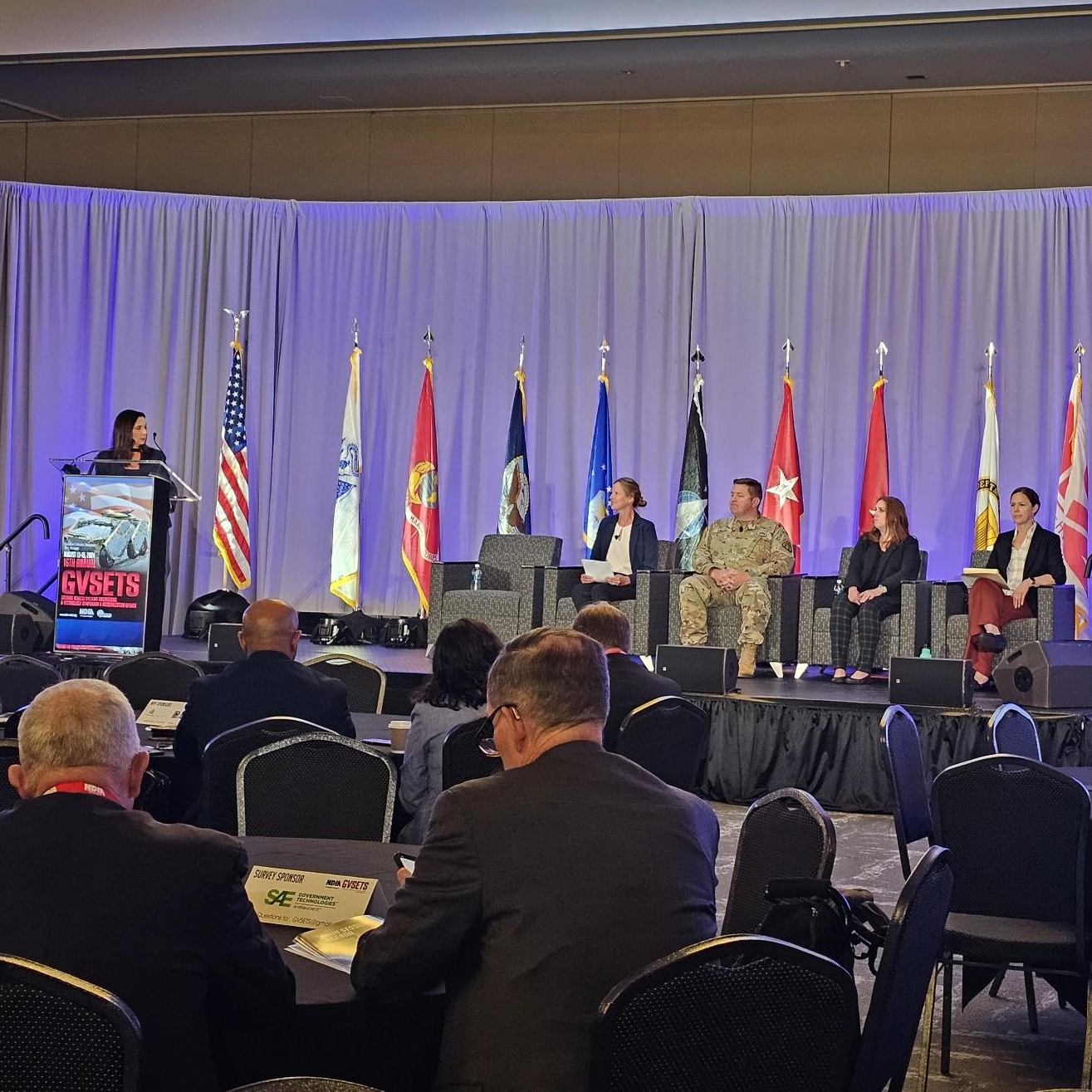
In the defense industry, trade shows like GVSETS, MDEX and AUSA are invaluable opportunities for networking, showcasing innovations, and staying abreast of industry trends. However, to truly capitalize on these events and achieve long-term success, a comprehensive integrated communications strategy is essential.
The Value of Trade Shows
Trade shows remain a cornerstone of defense industry networking and business development:
- 92% of trade show attendees say they are looking for new products (CEIR, 2019)
- 81% of trade show attendees have buying authority (CEIR, 2019)
- 77% of executive decision-makers found at least one new supplier at the last show they attended (SpinGo, 2019)
These statistics underscore the continued importance of trade show participation. However, to maximize the return on your trade show investment, a strategy is crucial.
The Long-Term Nature of Defense Industry Business
In the defense sector, business development is a marathon, not a sprint:
- Typical lead times range from 3 to 5 years
- The average length of the DoD acquisition cycle is 7 years (GAO, 2018)
- 70% of the DoD budget is spent on sustaining existing systems (CSIS, 2020)
Given these extended timelines, a strategy that maintains visibility and engagement between trade shows is essential for success.
The Power of a Comprehensive Strategy
An integrated communications strategy amplifies your trade show presence and maintains momentum year-round:
- Pre-Show Engagement:
- Companies that use pre-show marketing can increase booth traffic by up to 33% (CEIR, 2019)
- 76% of attendees use pre-show communications to plan their agenda (International Association of Exhibitions and Events)
- Post-Show Follow-Up:
- 80% of leads are not followed up after the show (ExhibitForce, 2019)
- Companies that follow up on leads within 48 hours are 7 times more likely to convert them (Harvard Business Review)
- Year-Round Presence:
- 95% of B2B buyers view content as trustworthy when evaluating a company (DemandGen Report)
- Thought leadership can increase RFP invitations by 28% (Edelman-LinkedIn, 2021)

A comprehensive strategy ensures that your message resonates long after the trade show floor has closed.
The Crucial Role of Differentiation
In a competitive market, clear differentiation is key to standing out:
- 88% of B2B decision-makers say that companies need to be more differentiated to stand out (Bain & Company, 2018)
- Only 28% of companies have a clearly articulated value proposition (Simon-Kucher & Partners, 2019)
Without clear differentiators:
- Your trade show presence may blend into the background
- Leads may struggle to remember your unique value post-show
- The already long sales cycle in the defense industry may extend even further
A well-defined strategy should:
- Identify and articulate your unique technological advantages
- Align your offerings with specific DoD modernization priorities
- Clearly communicate your value proposition to both primes and government decision-makers

The Importance of Technical Expertise
Effective communication in the defense industry requires deep technical knowledge:
- 68% of B2B buyers say that industry expertise is the most important factor when choosing a vendor (Demand Gen Report, 2020)
- 76% of buyers expect vendors to have a deep understanding of their specific business (Accenture, 2019)
This expertise should be evident not just on the trade show floor, but in all your communications throughout the year.
The Bottom Line: Three Critical Actions for Defense Industry Success
While trade shows are crucial, they are most effective when part of a broader, integrated communications strategy. Based on our experience at 8THIRTYFOUR working with defense industry clients, here are three critical actions companies need to take right now:
- Define Your Unique Value Proposition:
- Only 28% of companies have a clearly articulated value proposition (Simon-Kucher & Partners, 2019)
- Action: Thoroughly analyze your technological advantages, capabilities, and alignment with DoD priorities. Distill this into a clear, compelling value proposition that differentiates you from competitors.
- Develop a Comprehensive, Year-Round Communications Strategy:
- Companies with strong sales and marketing alignment achieve a 20% annual growth rate (Aberdeen Group)
- Action: Create a strategic plan integrating trade show participation with ongoing digital marketing, content creation, and public relations efforts. This will ensure consistent messaging and maintain engagement throughout the long defense industry sales cycle.
- Invest in Technical Marketing Expertise:
- 68% of B2B buyers say that industry expertise is the most important factor when choosing a vendor (Demand Gen Report, 2020)
- Action: Either develop in-house capabilities or partner with a marketing firm that has deep defense industry knowledge. This expertise is crucial for effectively communicating complex technical advantages to decision-makers.
At 8THIRTYFOUR, we’ve seen firsthand how these actions can transform a company’s position in the defense market. Our team combines deep industry knowledge with marketing expertise, allowing us to help clients articulate their unique value, develop comprehensive strategies, and effectively communicate complex technical advantages.
Are you ready to elevate your defense industry communications and accelerate your success? Let’s discuss how we can work together to implement these critical actions and create a strategy that sets you apart in this competitive landscape. With the right approach, you can maximize the impact of your trade show presence and build momentum that lasts long after the event ends.