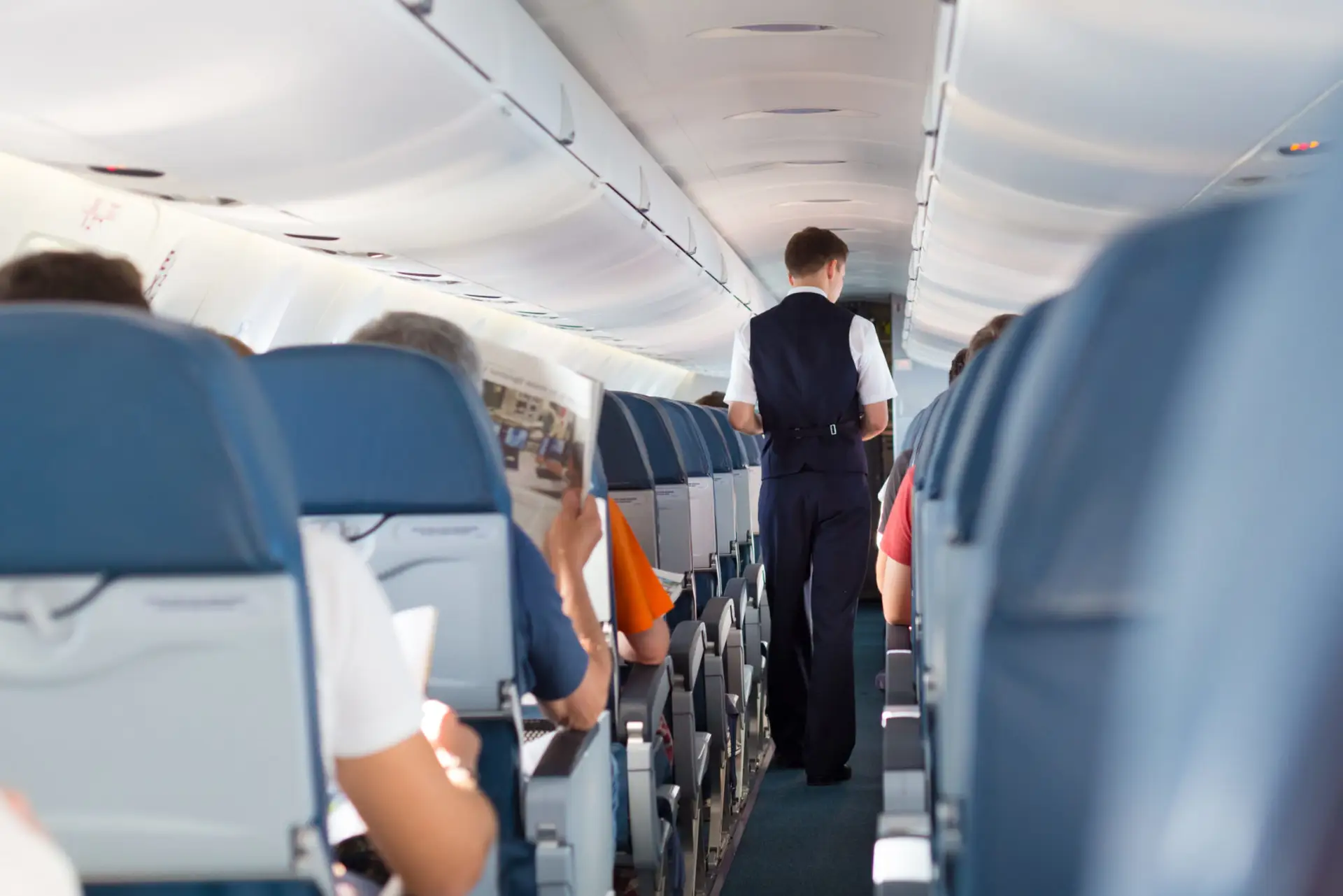
Today we are taking things in a different direction. Today we are talking about design thinking. Since I am currently the most dissatisfied airline passenger there ever was, my perspective on this is coming from the consumer side, not the designer side. Design thinking is not what you would assume. It’s not about getting inside the mind of the designer or brand manager…it’s the exact opposite, actually. Design thinking is the part of the consumer process that comes after the artwork has been viewed and after the viewer understands the brand’s messaging. Design thinking takes us out of our own creative minds and into the mind of the audience we are trying to reach. A billboard ad reaches 500,000 people in a week and a local monthly publication reaches even more. Your design is what captures their initial attention and your branding is what keeps the viewer engaged. Design is about communication, branding is about a relationships. Design thinking keeps that relationship going after the fact.
What IS Design Thinking?
Design thinking is all of the little things a brand does, whether that be complimentary snacks, easy bag checks, friendly people, or minimal additional fees, that make the customer experience easy, enjoyable, and better than the alternative options.
A few months ago I attended a seminar with Mike Rios of 17 Triggers, he talked about design thinking and how it relates to marketing. I was so impressed and inspired, thinking “Yes! This is the mindset I need to have in terms of my own work as a designer,” because at the end of the day you could design the most rad, innovative, cutting edge composition, but if it doesn’t get your message across to your audience, you lose.
During the seminar I didn’t take the time to fully put myself in the position of the consumer. Now, as I sit here on a crowded, stuffy airplane with the wrong drink, and the thought of waiting for my suitcase when I get off this aircraft (if you want to call it that…I prefer hell hole) when my bag should have been conveniently stowed in the overhead compartment…I digress. The well thought-out identity, low fare rates, hip new website, and cute little animals on the tail and wings of each plane no longer have me fooled. The stock photos of happy flyers and list of seemingly low prices are all a ploy to distract the customer from horrible service, poorly explained baggage size charts, overpriced booze and snacks, along with a multitude of hidden fees.
For those of you who have had a similar experience with holiday travel, I encourage you to turn that into something positive. Use your anger to be sure that no client of yours will ever be as dissatisfied as I am at this very moment.
 How You Can Use Design Thinking for Your Customers
1. Do we make the experience more enjoyable for our customers than other brands? Ex: Delta offers wifi, movies, and music on each of their flights. I know first hand that not all flights do and this can put quite a damper on your “catching up on work” plans.
2. Do we make the experience easier than other brands? Ex: Southwest offers online check in, seat selection, and luggage booking so you bypass the line for the one and only kiosk that prints boarding passes
3. Do we go the extra mile for our customers? Ex: Spirit offers fold down trays that actually fit an entire lap top (this should be a given but unfortunately is not) and give you free headphones incase the crying infant next to you is preventing you from using the wifi you paid for to the fullest.
4. Is customer service and information extremely easily accessible to our clients? Ex: Northwest sends text and email updates right to your phone if your gate, flight time, or other details of your flight change. They also have a convenient app that stores your itinerary and connects you to information about the location you are flying to.
Have you ever used this approach for your business marketing and customer experience? If yes, we’d love to hear your story.